May 25, 2025 · by Tidey Ocean Foundation · updated June 11, 2026
Reduce, Reuse, Recycle: Why the Order Matters More Than the Slogan
The three Rs are a hierarchy, not a list. The order is deliberate, and most efforts have focused on the weakest of the three. Here is what it says.
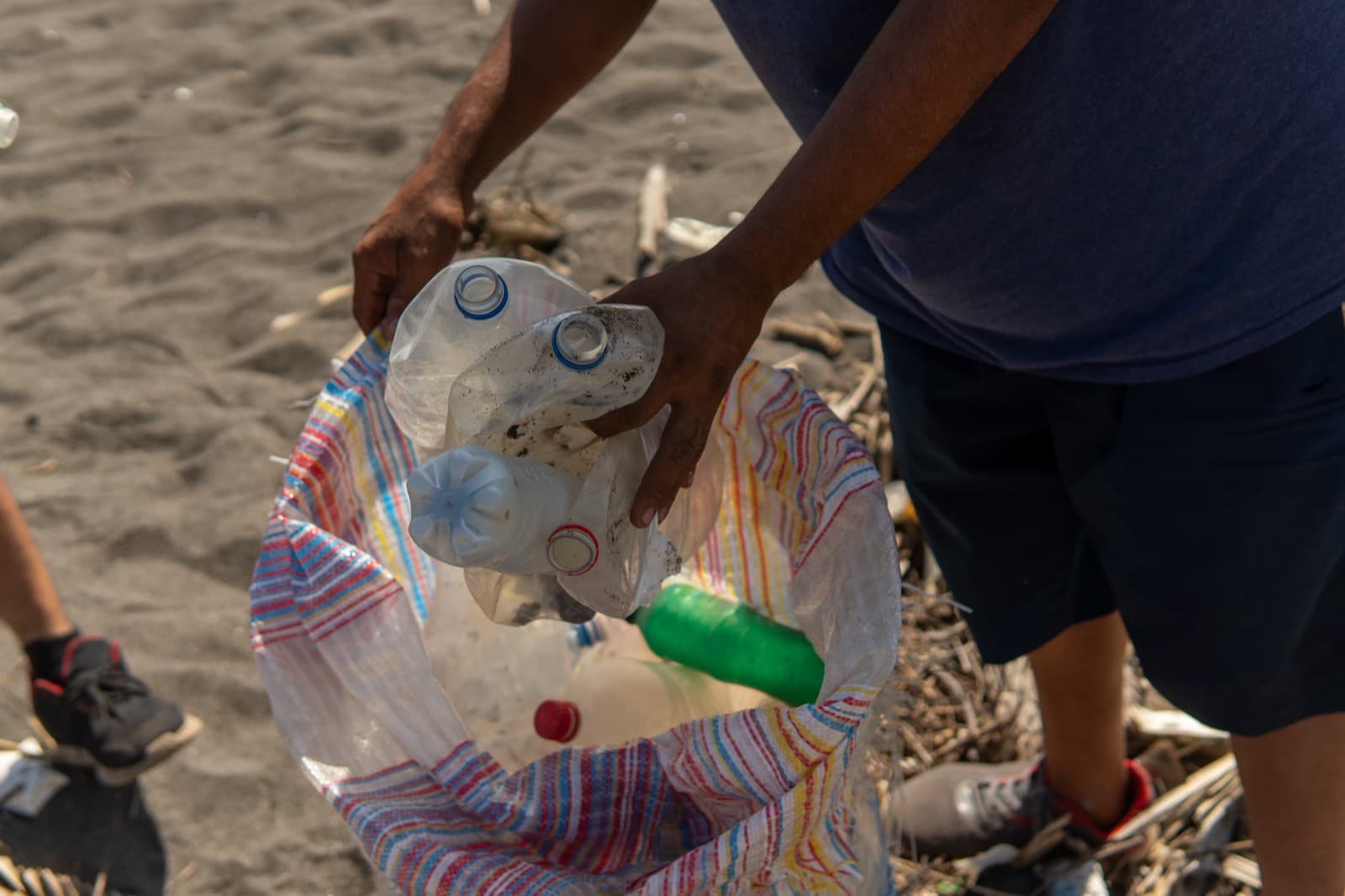
Reduce, reuse, recycle. The phrase has appeared on school posters, grocery bags, and municipal waste programs for more than fifty years. It is familiar enough to have lost its meaning, which is a problem, because the three Rs are not equivalent and the order is not arbitrary. The framework was designed as a hierarchy: the first action is far more powerful than the second, and the second far more powerful than the third. Treating recycling as the primary solution to plastic waste inverts the logic the framework was built on.
Reducing means preventing waste from being generated in the first place. It is the only action in the hierarchy that addresses the problem at its source. Every product that is not produced is a product that cannot become waste. Every piece of packaging eliminated from a product design is packaging that does not need to be collected, sorted, processed, or disposed of at end of life. Reducing consumption of single-use plastics, choosing products with less packaging, and declining disposable items all operate on this principle. The environmental leverage of reduction is high because it eliminates the problem rather than managing it downstream.
The global response to plastic pollution has focused predominantly on recycling and, more recently, on collection, both downstream interventions that manage plastic after it has already been produced. Global plastic production is now on the order of 400 million tonnes a year. OECD estimates that 9 percent of global plastic waste generated in 2019 was ultimately recycled; the rest was managed through disposal, incineration, or remained mismanaged. Those figures describe waste in a particular year, not every kilogram of plastic ever produced. Recycling, the third and least powerful intervention in the three Rs hierarchy, is the one receiving the most infrastructure investment and marketing attention.
Reusing means finding continued utility in a product or material before it becomes waste. In the context of plastic, reuse includes choosing products designed for multiple uses over single-use equivalents, buying secondhand rather than new, repairing items rather than replacing them, and using refill and return systems where they exist. Reuse is more powerful than recycling because the product retains its full functional value: it does not need to be broken down and reprocessed, which consumes energy and typically produces a lower-quality material than the original. Designing packaging and consumer goods for reuse rather than disposal requires structural changes in how products are made, sold, and returned, changes that face more industry resistance than investment in downstream recycling infrastructure.
The history of how recycling became the dominant framing is relevant. In the United States, the plastics industry actively promoted recycling as the solution to plastic pollution from the 1970s onward, funding public education campaigns while lobbying against legislation that would have required reduction in plastic production. Documents released through litigation and investigative journalism have documented that industry leaders privately acknowledged the economic limits of plastic recycling as early as the 1970s while publicly promoting it as a solution. The result was decades of public investment in recycling programs alongside continued increases in plastic production, on the premise that recycling would manage the downstream consequence.
Since China's 2018 National Sword policy banned the import of most foreign recyclables, the fragility of the recycling model has become visible. The US had exported millions of tonnes of mixed recyclables to China annually; when that stopped, domestic recycling programs faced material they could not economically process. More than 2,000 US curbside recycling programs were reduced, suspended, or eliminated between 2018 and 2022. Material previously exported for processing was redirected to landfills. The recycling rate for plastic in the US dropped to approximately 5 percent and has not recovered substantially. This exposed what had always been true: recycling is a market-dependent process that functions only when there is an economic buyer for the recovered material, and that condition is not guaranteed.
None of this makes recycling worthless. For PET bottles and HDPE containers, established markets exist, and those materials have real value when properly sorted and processed. Recycling reduces demand for virgin polymer production and removes plastic from the waste stream. The constraint is that only two or three of the seven resin types have reliable recycling markets globally, and the fraction of plastic that actually gets recycled is far smaller than the recycling symbol on containers suggests.
The most useful application of the three Rs framework today is this: reduce is where policy should focus, through extended producer responsibility, plastic taxes, and mandates for packaging reduction. Reuse is where product design should focus, through deposit-return systems, refillable formats, and durable alternatives to single-use packaging. Recycle is where infrastructure should continue improving, concentrated on the materials that have real end markets and real recovery value.
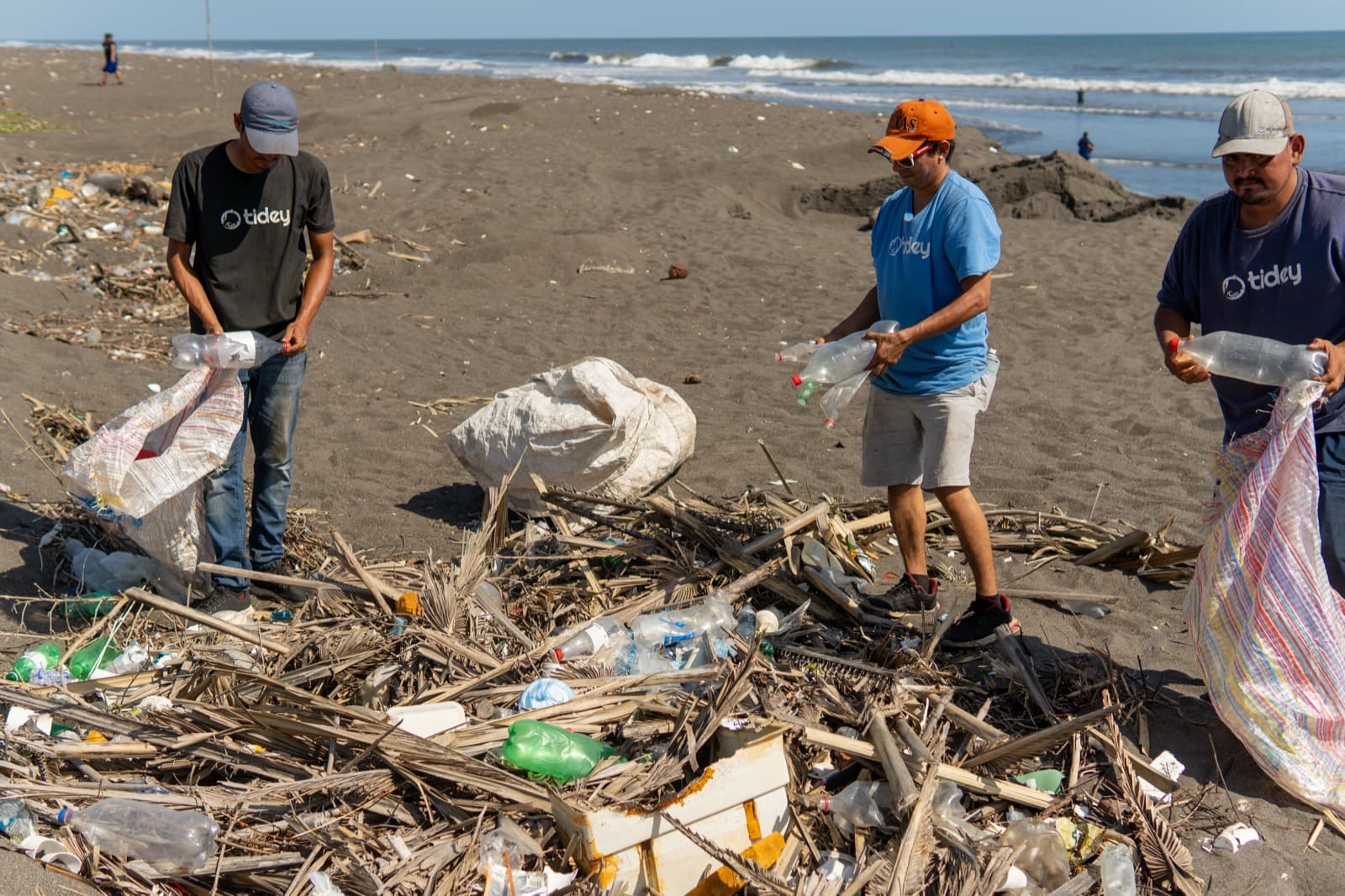
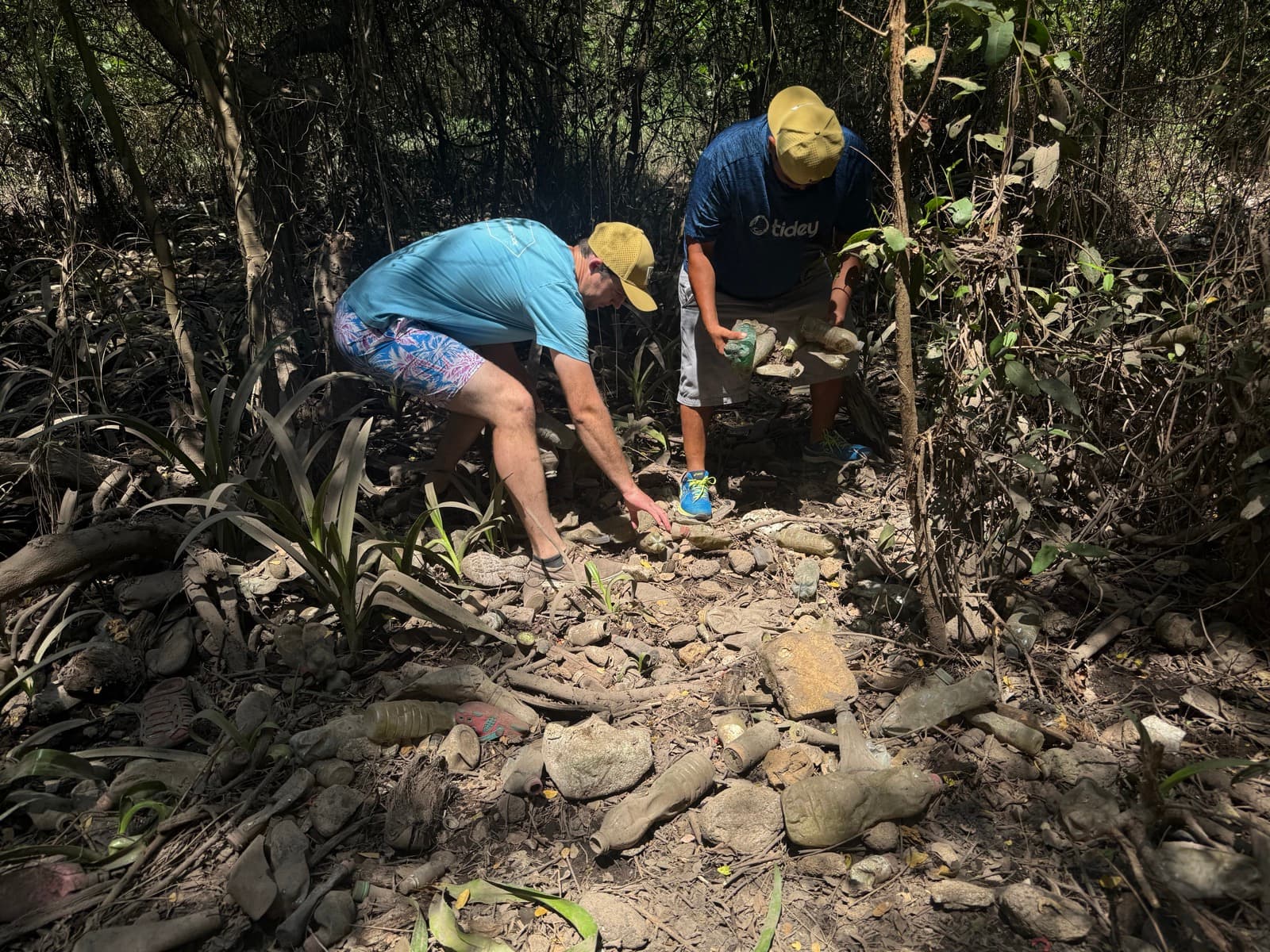
Tidey Ocean's work sits at the collection end of this spectrum, gathering material that entered the environment because reduction, reuse, and recycling all failed to prevent it. Collection is necessary because those upstream interventions are not comprehensive. The goal is not to be permanently necessary. The goal is to work at the river mouth while upstream conditions improve, and to demonstrate through audited impact data and cost transparency that prevention remains a better long-term investment than perpetual remediation. The three Rs hierarchy was correct when it was written and it is correct now. The order is the message.
Is recycling actually a solution to plastic pollution?
Recycling addresses a portion of plastic waste within specific material types and in markets where the economics work. It does not reduce plastic production, which is the primary driver of plastic waste volume. With a global recycling rate of approximately 9 percent, more than 90 percent of plastic produced each year goes somewhere other than a recycling facility. Improving recycling rates for materials with real end markets is worthwhile. Treating recycling as the answer to plastic pollution is a framing error that has consumed decades of public attention and investment while production continued rising.
What is the fourth R that some frameworks include?
Some environmental educators and policy frameworks add Refuse to the beginning of the hierarchy: refuse to accept single-use plastic in the first place, before it enters your possession. Refuse sits above Reduce in impact because it prevents the product from being taken rather than managing what happens after acquisition. Declining a straw, bringing a reusable cup, or choosing a product without excessive packaging all operate on this principle. Adding Refuse makes the power hierarchy explicit: the most effective intervention is always the one furthest upstream from disposal.
Sources
- OECD. Global Plastics Outlook: Policy Scenarios to 2060 (2022). https://www.oecd.org/en/publications/global-plastics-outlook_aa1edf33-en/full-report.html
- U.S. EPA. Reduce, Reuse, Recycle. https://www.epa.gov/recycle
Monthly, from the field in Guatemala.
Collection numbers, new research on plastic and health, and what we are learning in the field. No more than once a month.