
Stop ocean plastic at the source.
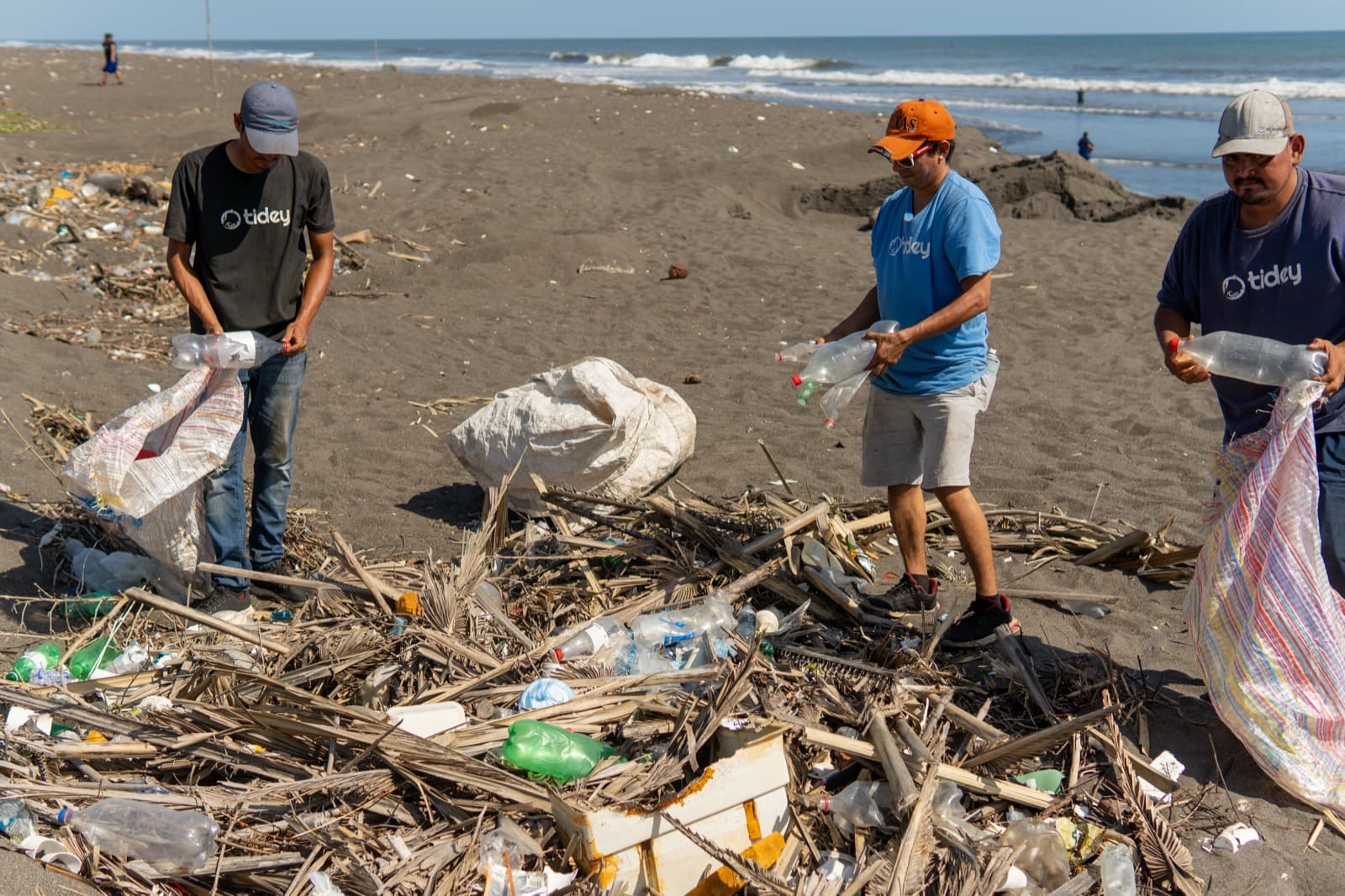
We pay collectors in Guatemala for the plastic they recover, before it reaches the ocean. Collection is tracked on the blockchain.
Verified impact
Numbers you can trace.
Every figure below carries the period it covers. The full definitions live on the impact page.
Pounds collected
As of July 2026
Every pound recorded in our Guatemala field registry since June 2021.
Pounds sent to recyclers
As of July 2026
Material sold or shipped to recycling partners, from the registry's Plastico vendido sheets. The registry has tracked sales since 2022.
Collectors paid directly
As of July 2026
People paid directly for the plastic they collected, deduped from the BanQu roster. 220 counting schools, organized cleanups, and other group sources. Provisional while three name variants are confirmed.
How it works
From pollution to purpose.
Every year, 11 million metric tons of plastic enter the ocean. More than 1,000 rivers carry roughly 80% of what reaches it from land, most of them in countries that lack the infrastructure to stop it. Tidey works directly in those communities.
Community Collection
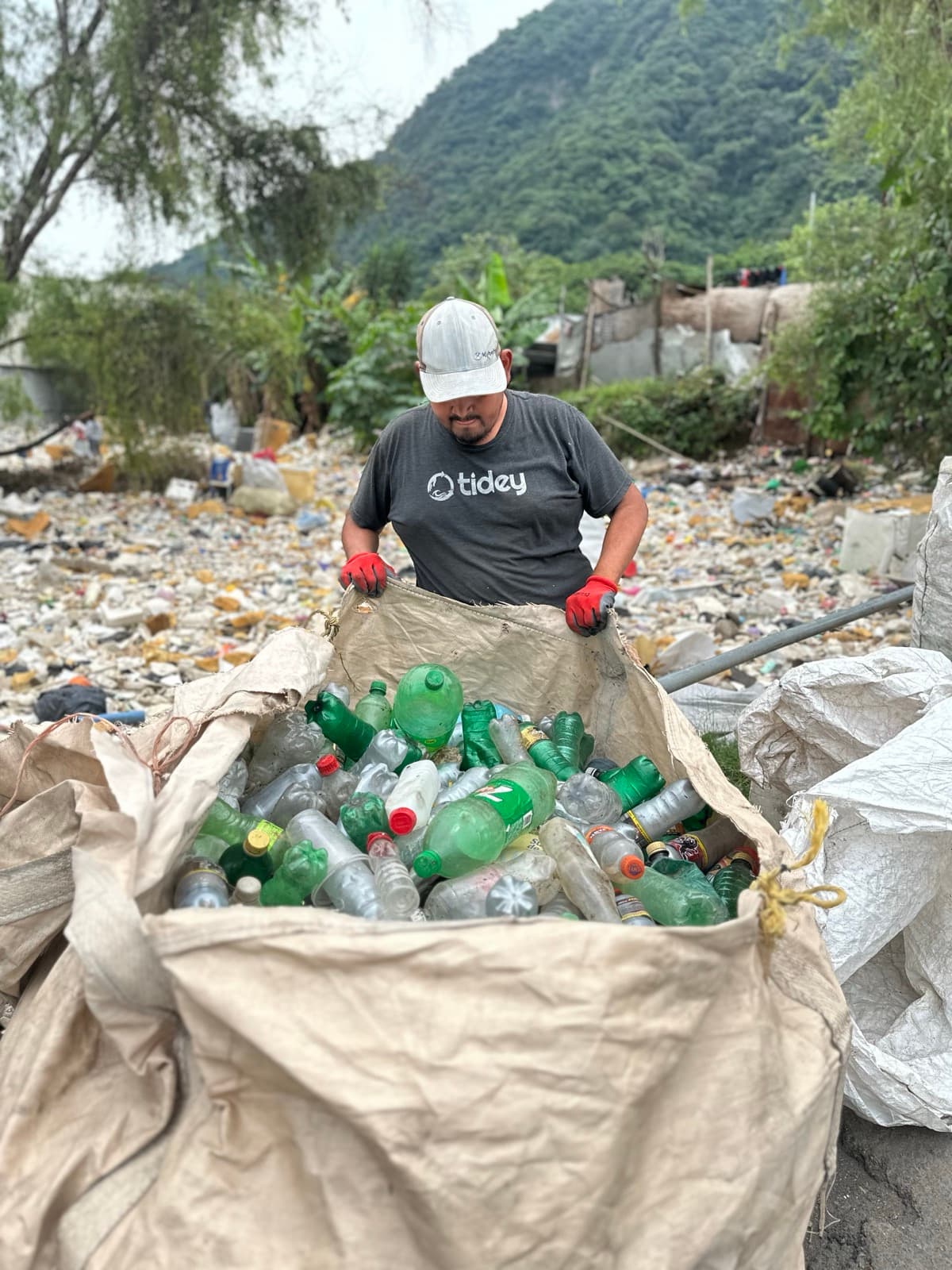
We support collection hubs in coastal communities where people exchange plastic waste for food, clean water, or payment by the pound. Pollution becomes purpose.
Local Cleanups
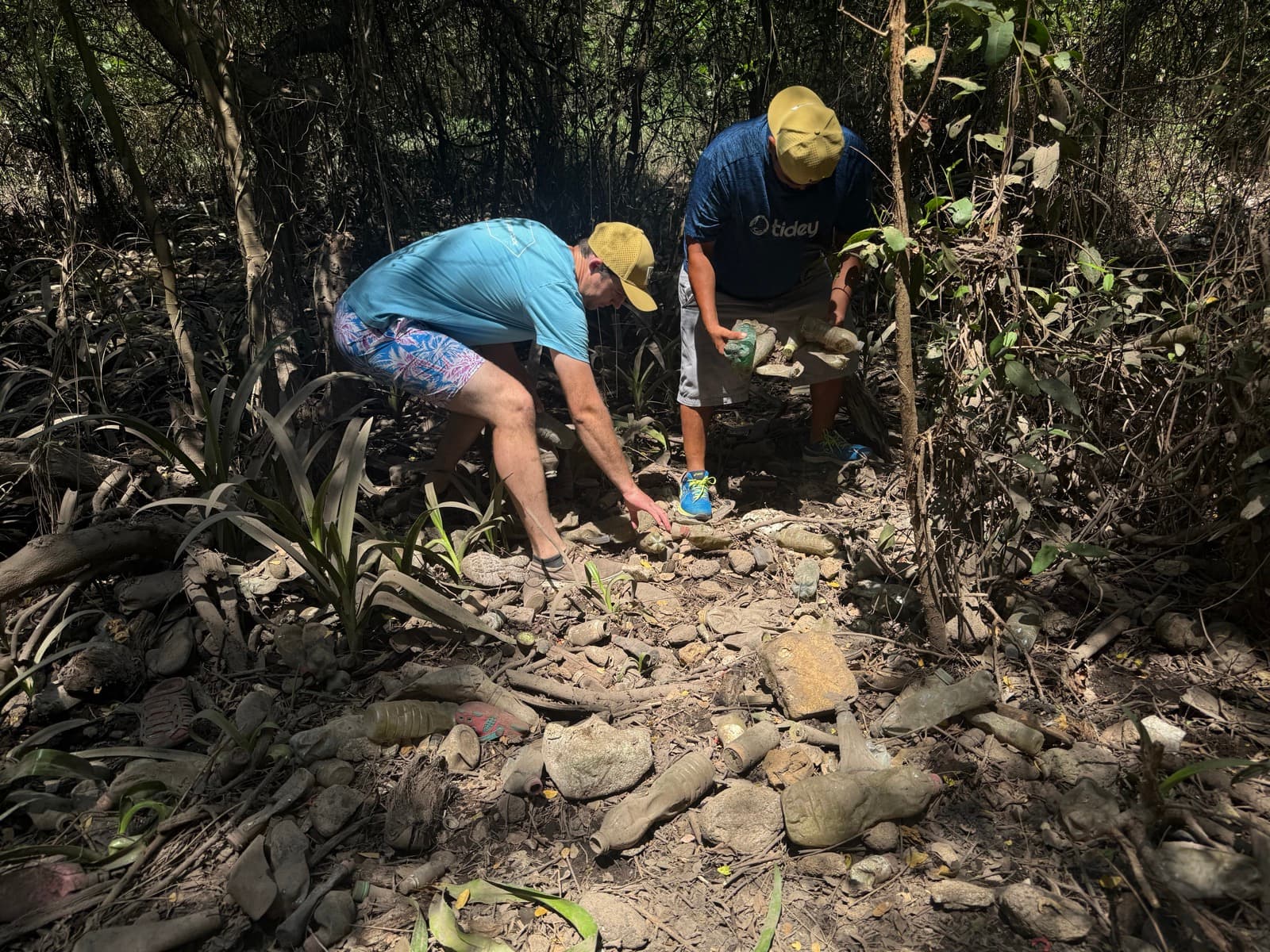
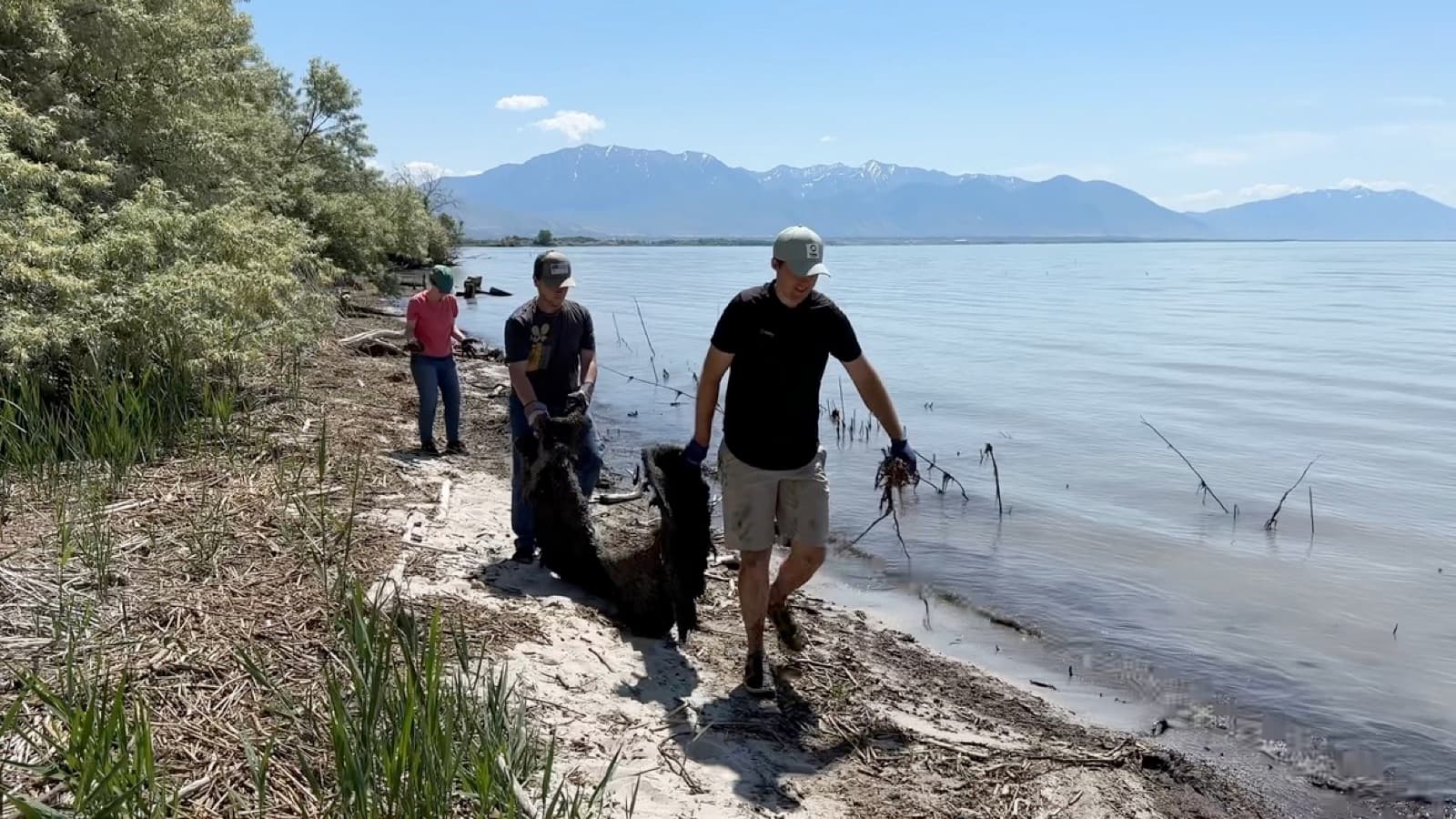
Our team and local partners recover ocean-bound plastic from neighborhoods, rivers, mangroves, and shorelines, stopping it before it reaches the ocean.
Verified Recycling
We track collection on the BanQu blockchain. Deliveries record the date, the weight, and the collector who brought them in.
Three ways forward
Every action makes an impact.
The Maria Linda
Pacific coast, Guatemala
Guatemala's plastic hotspot
The Maria Linda runs straight to the Pacific.
The Ocean Cleanup's river emissions model puts roughly 3.3 million pounds of plastic reaching the Pacific each year from the Maria Linda and the nearby Achiguate. Tidey Ocean operates collection hubs along their banks.
Every $50 donated recovers 100 pounds of ocean-bound plastic, covering collection, sorting, and recycling. Collectors are paid directly, by the pound, at a rate set separately from what a donation costs.
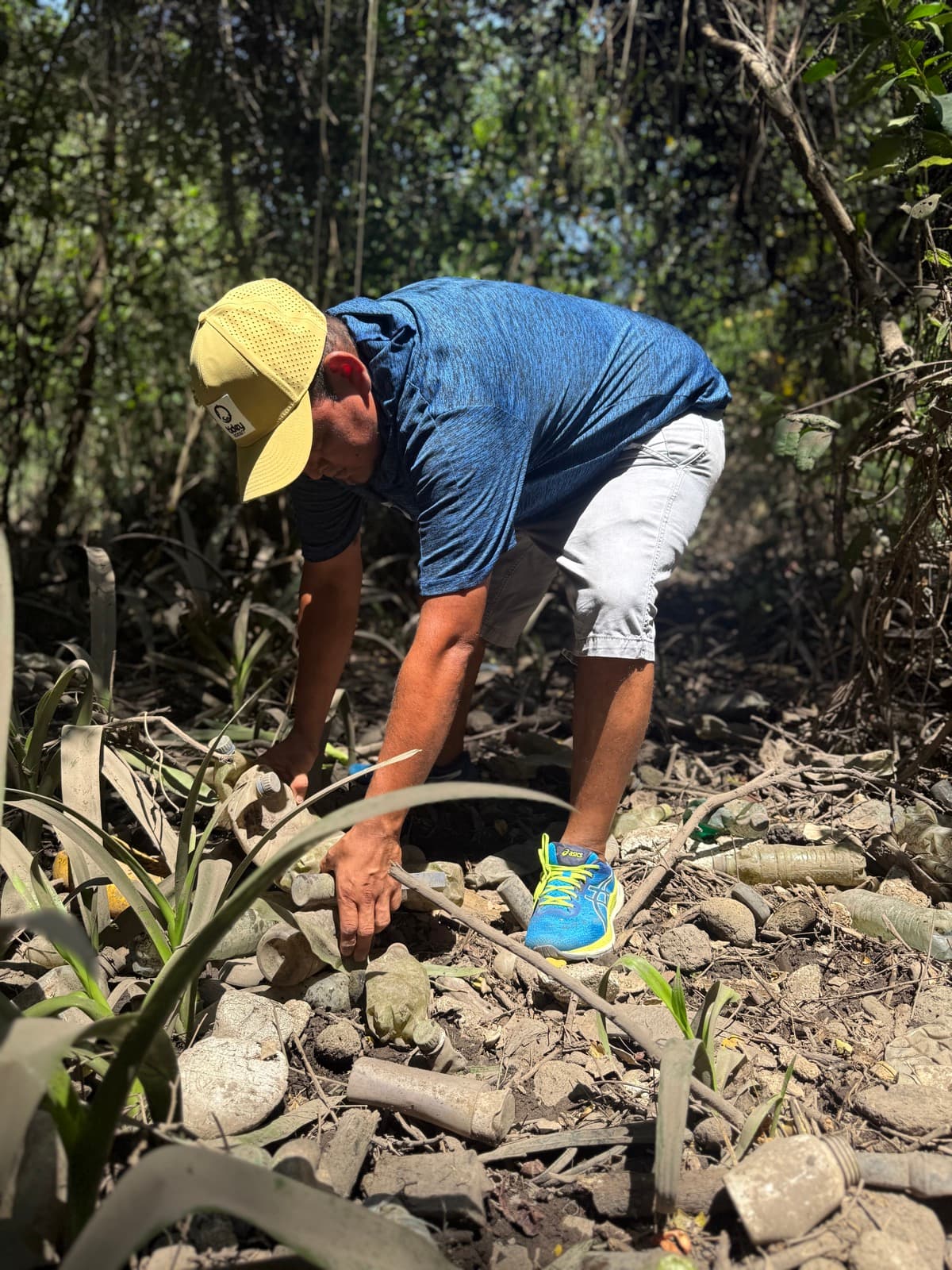
Your $10 recovers 20 lbs of ocean plastic.
100% of donations track to a specific cleanup, covering collection, sorting, and recycling. That is not the rate we pay a collector. Collectors are paid directly, by the pound, when they deliver.