December 27, 2025 · by Tidey Ocean Foundation · updated June 11, 2026
Out of Sight, Into Smoke: The Hidden Crisis of Plastic Burning
50 million metric tons of plastic are burned each year. Here is what that releases, who it harms, and why stopping it at the source matters.
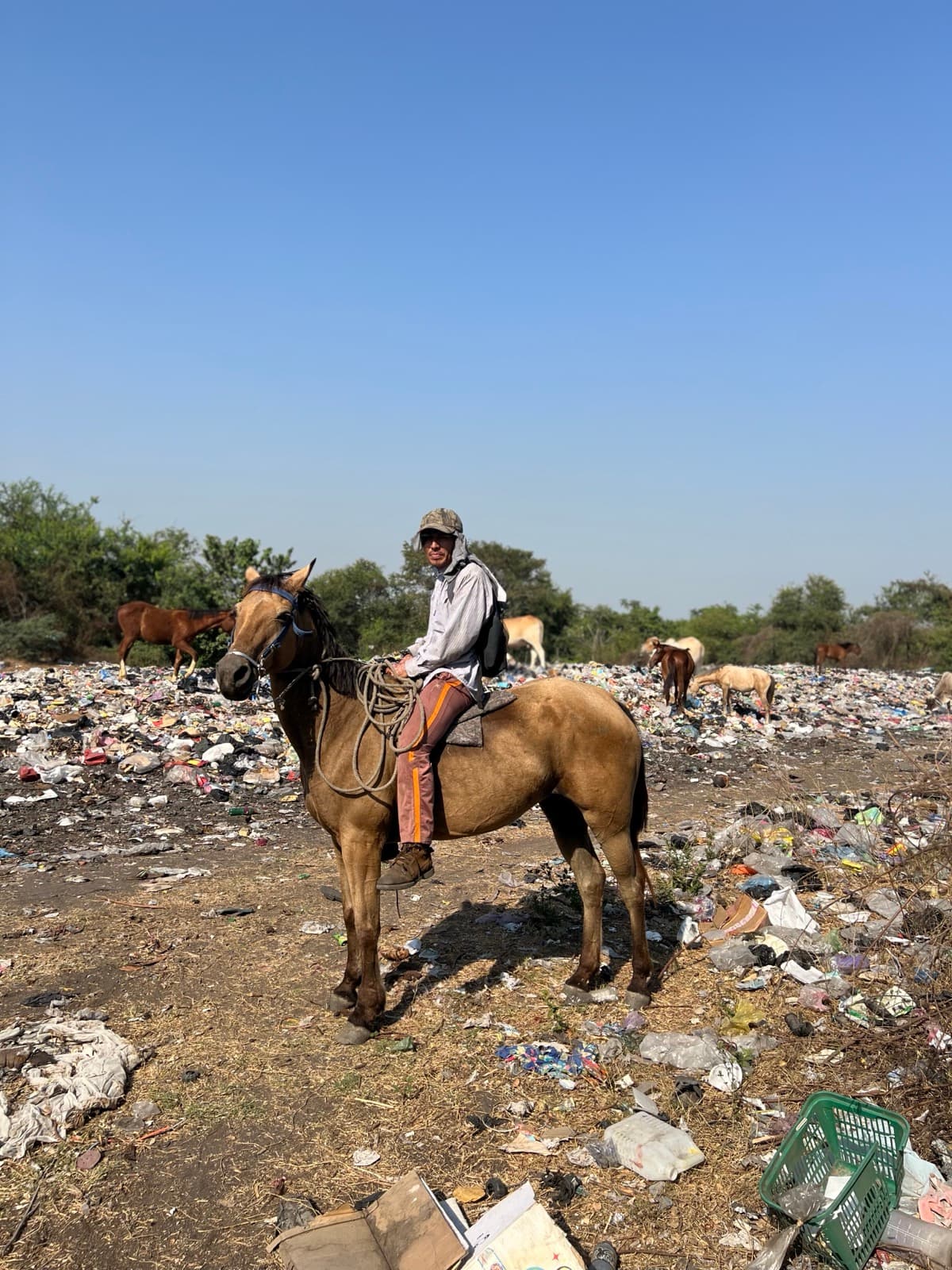
When most people picture plastic pollution, they see floating debris and fouled coastlines. The more dangerous crisis is invisible. An estimated 50 million metric tons of plastic are incinerated or openly burned globally each year, according to UNEP estimates, roughly 12 percent of total plastic waste. In communities without formal waste collection, burning is not a choice among options. It is the only option available.
The scale is concentrated in low- and middle-income countries where formal waste management infrastructure is absent or overwhelmed. The World Bank estimates that roughly one-third of global solid waste receives no environmental protection of any kind. In those communities, the trajectory for unmanaged plastic runs through an open fire. Research published in PMC has estimated that 40 to 65 percent of municipal solid waste in low- and middle-income countries is openly burned, a figure that rises further in rural and coastal areas where collection trucks do not operate.
What burning plastic releases is a specific chemistry of harm. Dioxins, furans, polychlorinated biphenyls, and polycyclic aromatic hydrocarbons form when chlorine-containing plastics like PVC burn at low temperatures in open air rather than in controlled high-temperature incinerators. The World Health Organization classifies dioxins as Group 1 carcinogens and identifies them as endocrine disruptors that impair immune function, interfere with reproductive development, and persist in the food chain for years after release. Open fires in residential areas create an exposure event for everyone downwind, repeatedly, across years of daily burning cycles.
The climate math is also unfavorable. Burning one metric ton of plastic in an open fire generates approximately 2.9 metric tons of CO2 equivalent, according to research published in PMC. At 50 million metric tons of plastic burned globally per year, that represents roughly 145 million metric tons of CO2 equivalent from this single disposal pathway alone. Open burning also releases black carbon, a short-lived but potent climate forcer, and methane from co-burning of organic waste in mixed waste fires.
Slow smoldering compounds the problem further. When plastic burns incompletely at low temperatures, it off-gases volatile organic compounds including benzene and formaldehyde in addition to the dioxin-producing reactions. Formaldehyde is classified as a Group 1 human carcinogen by the International Agency for Research on Cancer. Benzene is a confirmed cause of leukemia at sufficient exposure. These are not theoretical risks for communities surrounded by open burning: they are the compounds in the air their households breathe daily.
Guatemala provides a specific documented example of this dynamic. A 2023 study published in PMC examined plastic waste generation and emissions from domestic open burning across Guatemalan communities and found widespread burning driven by the absence of municipal waste collection in coastal and rural areas. The same waterways where plastic accumulates without collection are the rivers that ultimately carry material to the Pacific. The burning and the ocean pollution are not two separate problems. They are two outcomes of the same absent infrastructure.
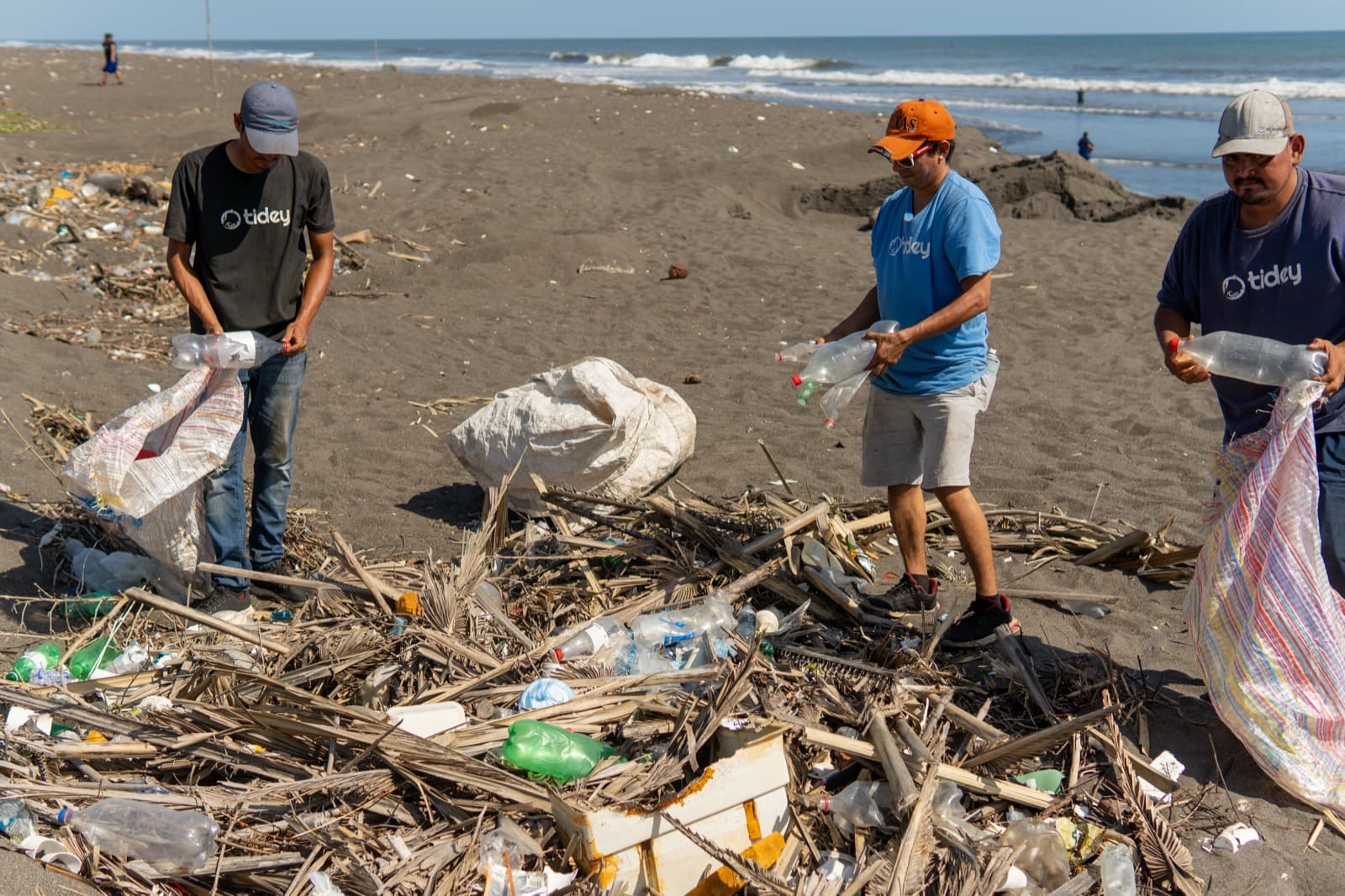
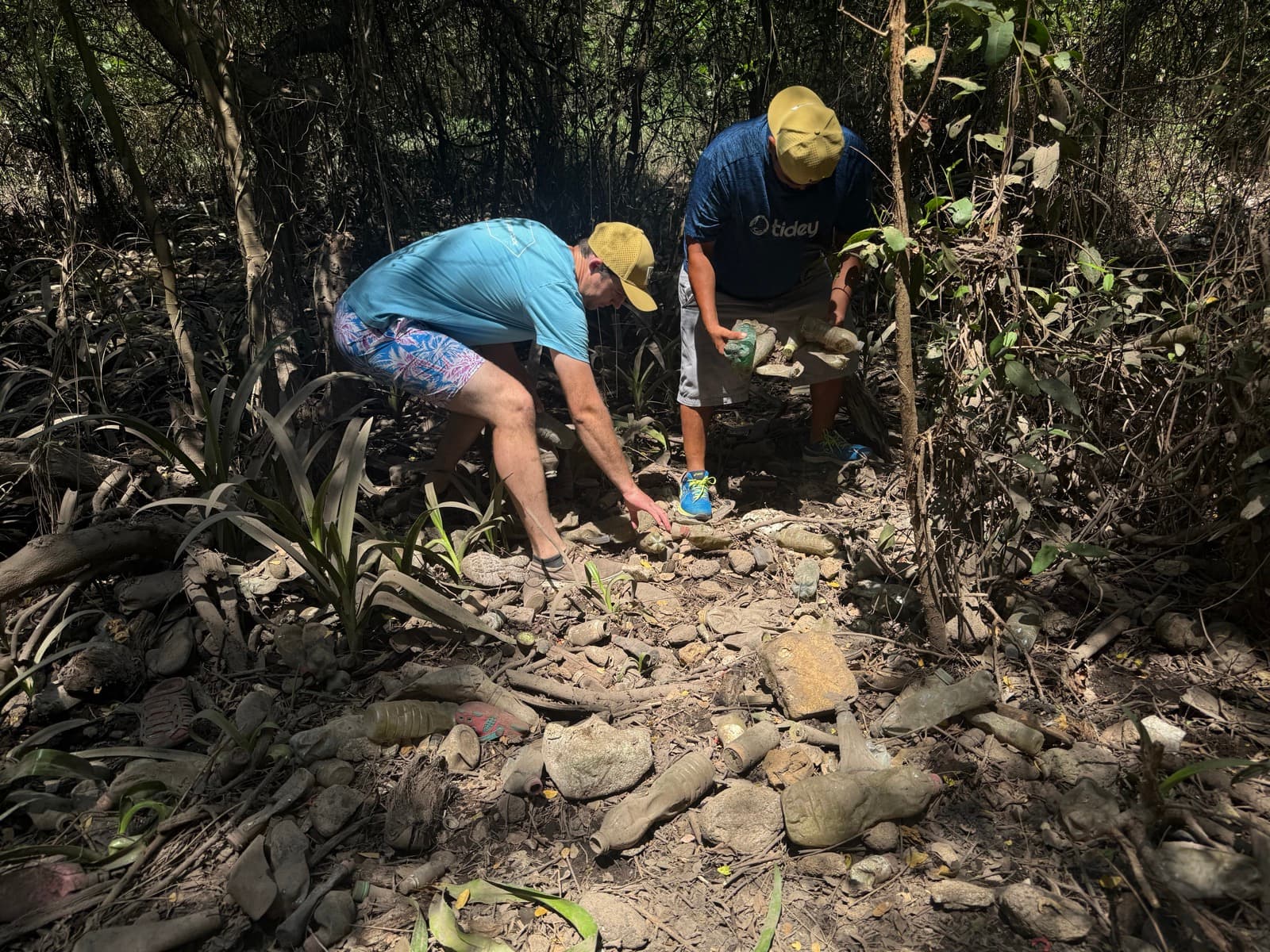
This is directly relevant to how Tidey Ocean calculates its impact. Of the plastic our collectors recover in Guatemala, we estimate from field observation that approximately sixty percent would otherwise have been openly burned rather than entering waterways. This is our own estimate based on what we see in the communities where we work, not a measured figure. That means each pound collected prevents not only ocean pollution but also combustion emissions and the toxic exposures associated with open burning. The benefit from collection is real, but it is not the one the shorthand suggests. Most of what we recover was never on its way to the Pacific. Of the share that would have entered a waterway, research on riverine transport indicates that much of it would have stranded on banks or settled into sediment rather than reaching open water. What collection reliably prevents is the fire, and the exposure that comes with it. Our 2025 inventory puts the net climate benefit at 0.69 kilograms of CO2 per pound recycled, after subtracting our own operational emissions.
The systemic solution requires two things simultaneously: reduction in virgin plastic production globally, which reduces the volume entering waste streams in the first place, and investment in collection infrastructure in communities that currently have none. Ocean cleanup efforts address some of the material that escapes both of those interventions, but they do not change the conditions that produce the problem. Communities that burn their plastic do so because no one comes to collect it. That infrastructure gap is what any serious response to plastic pollution must address.
What toxic compounds does open burning produce?
The key compounds are dioxins and furans from chlorine-containing plastics like PVC; benzene and formaldehyde from incomplete combustion of other plastics; fine particulate matter that penetrates deep lung tissue; and black carbon particles from smoldering fires. The specific mix depends on which plastics are burning, the temperature of the fire, and whether combustion is complete. Open fires burn at lower and more variable temperatures than industrial incinerators, which is why they produce a more toxic mix than controlled incineration.
Why is open burning worse than landfilling plastic?
Landfilling has real environmental costs: plastic in poorly managed landfills can leach chemicals into groundwater and send microplastics into surrounding soil. But the harms are slower and more dispersed than those from combustion. Open burning converts stable solid material into airborne toxins and greenhouse gases in a single acute event, creating immediate respiratory exposure for nearby residents and adding directly to the atmospheric carbon load. In communities with poorly managed landfills that drain into rivers, neither outcome is good, but burning creates a faster and more direct harm pathway.
How does river-mouth collection reduce burning?
When Tidey's collectors recover plastic from canal banks, mangroves, and landfill edges before it disperses further, they remove material that would otherwise be burned during the next informal waste-management cycle. Collection creates an alternative to burning at the community level: plastic that has a buyer does not need to be burned. We have sent 89.5 percent of what we collected since 2022 on to recyclers, which means most of it returns to the materials economy rather than entering the atmosphere.
Sources
- World Health Organization. Household air pollution and health. https://www.who.int/news-room/fact-sheets/detail/household-air-pollution-and-health
- UNEP. Plastic Pollution and Marine Litter. https://www.unep.org/topics/ocean-seas-and-coasts/ecosystem-degradation-pollution/plastic-pollution-and-marine-litter
Monthly, from the field in Guatemala.
Collection numbers, new research on plastic and health, and what we are learning in the field. No more than once a month.