June 30, 2025 · by Tidey Ocean Foundation · updated June 11, 2026
Two Crises, One Solution: How Plastic Collection Addresses Poverty in Guatemala
Guatemala has the highest child malnutrition rate in Latin America. Here is how plastic collection addresses poverty and pollution through one mechanism.
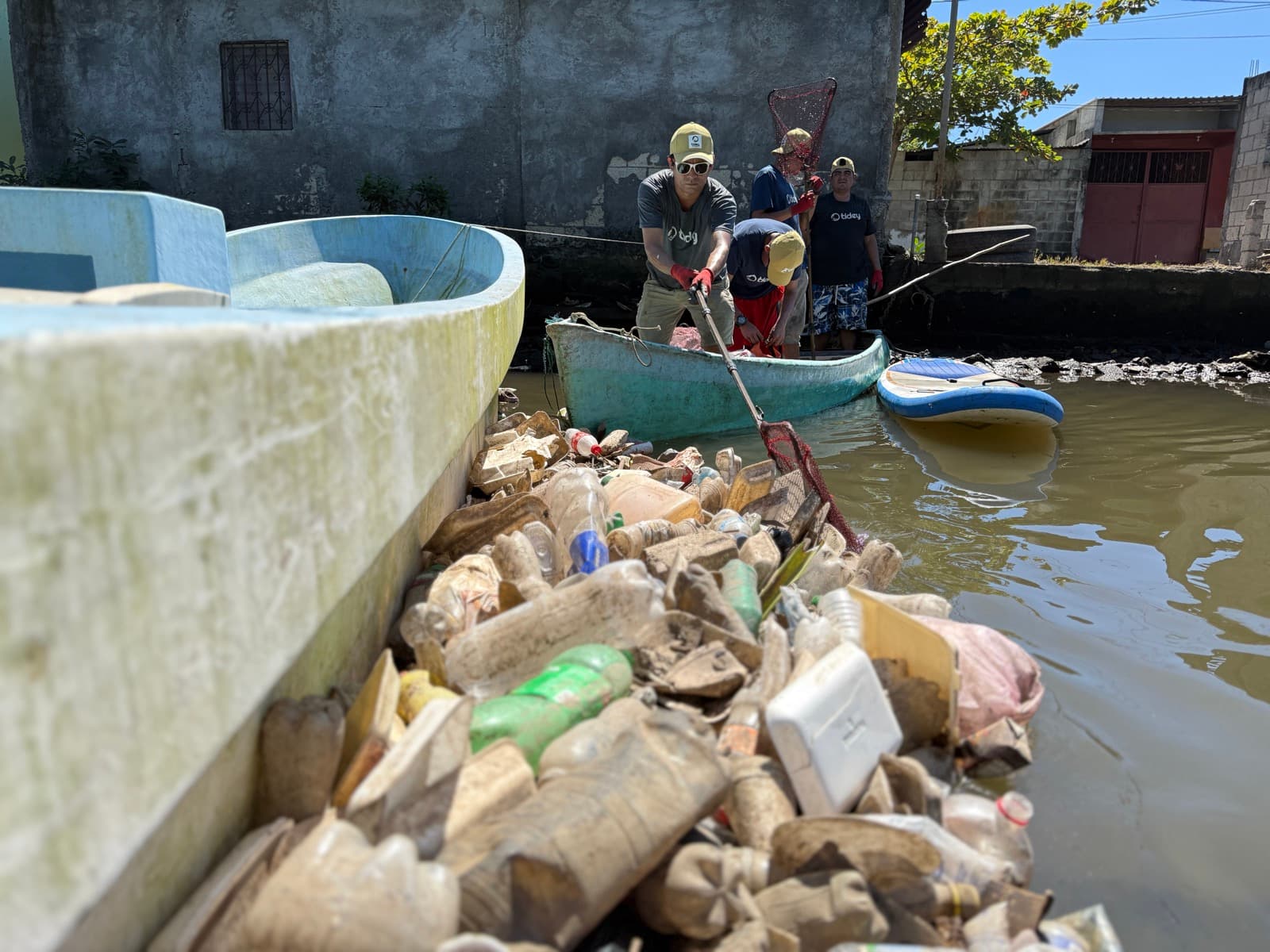
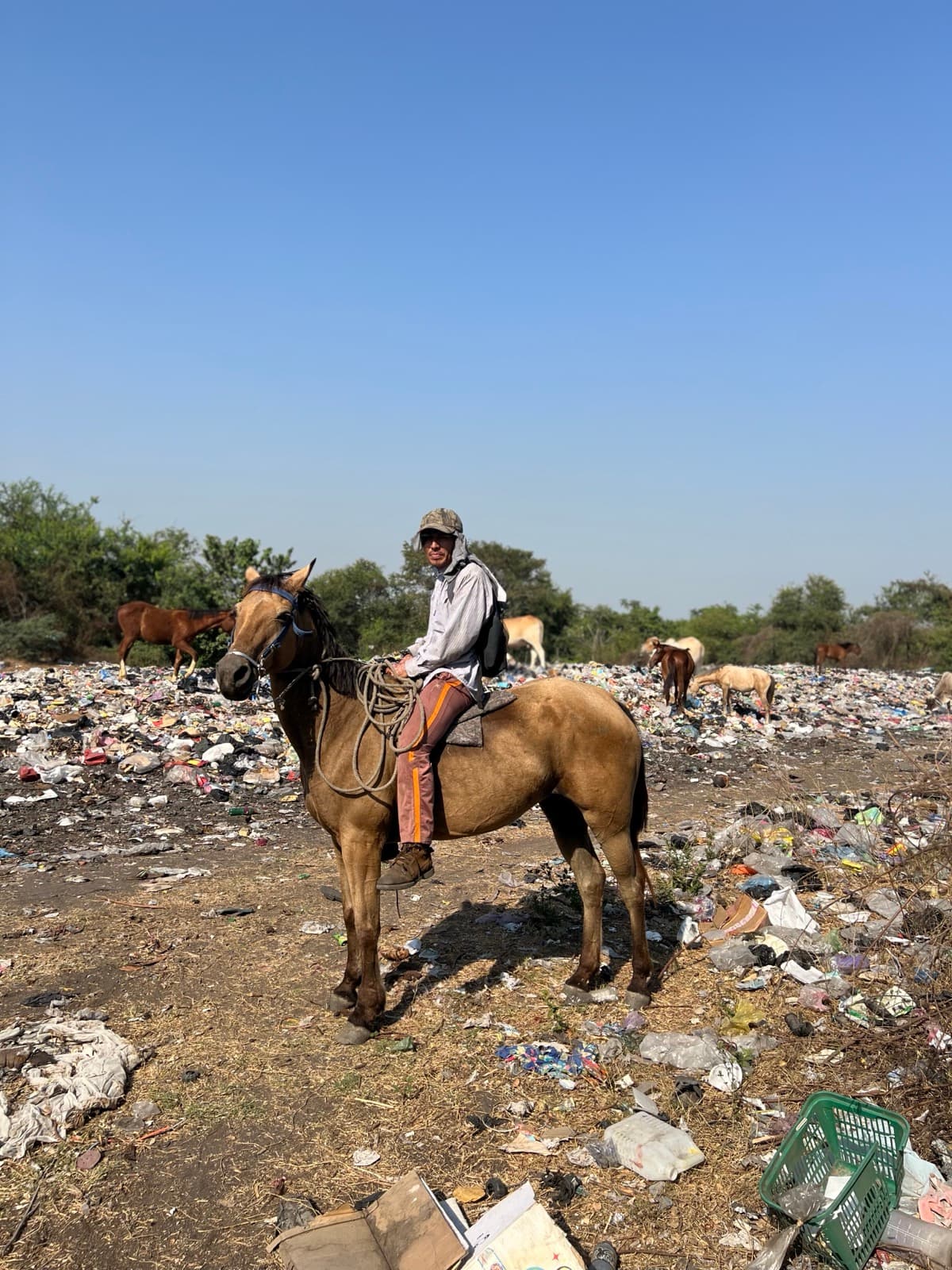
Guatemala's poverty problem and its plastic pollution problem share the same geography. The communities along the Pacific coast where plastic accumulates in rivers and mangroves are the same communities where nearly half of children under five are chronically malnourished and where the majority of households operate without formal employment access or economic safety nets. Tidey Ocean's collection model exists at the intersection of those two crises, not by accident but by design.
The scale of Guatemala's poverty is documented in specific terms. According to World Bank 2023 data, fifty-six percent of the population lives below the national poverty line, with sixteen percent in extreme poverty. Using the World Bank's international comparison measure, Guatemala's poverty rate of 54.8 percent is more than twice the Latin America and Caribbean regional average of 24.7 percent. Inequality measured by Gini coefficient stands at 45.2 points, reflecting deep disparities between urban centers and the rural and coastal communities where most of Guatemala's ocean-bound plastic originates.
The malnutrition figures are particularly acute. Forty-six percent of children under five in Guatemala experience chronic malnutrition, according to 2024 World Bank data. That is the highest rate in the Latin America and Caribbean region. Chronic malnutrition in early childhood produces permanent effects: it reduces cognitive development, impairs immune function, and creates disadvantages in educational and economic outcomes that carry forward into adulthood. Twenty-one percent of Guatemalans face severe food insecurity, meaning uncertainty about whether the household will have enough to eat is a recurring condition, not an occasional disruption.
These are not abstract development statistics. They describe the material conditions of the communities where Tidey's collectors live and work. When we talk about paying collectors by the pound for plastic recovery, we are talking about creating income for people operating inside the environment those numbers describe.
Conventional income-generation approaches have had limited reach in Guatemala's coastal communities. Formal employment programs require credentials, fixed schedules, and proximity to urban centers. Microfinance programs require credit history and collateral. Agricultural programs require land tenure. The gig economy model Tidey uses requires none of those things. A collector needs the ability to gather plastic and transport it to a collection point. In Guatemala's coastal communities, the first resource is abundant.
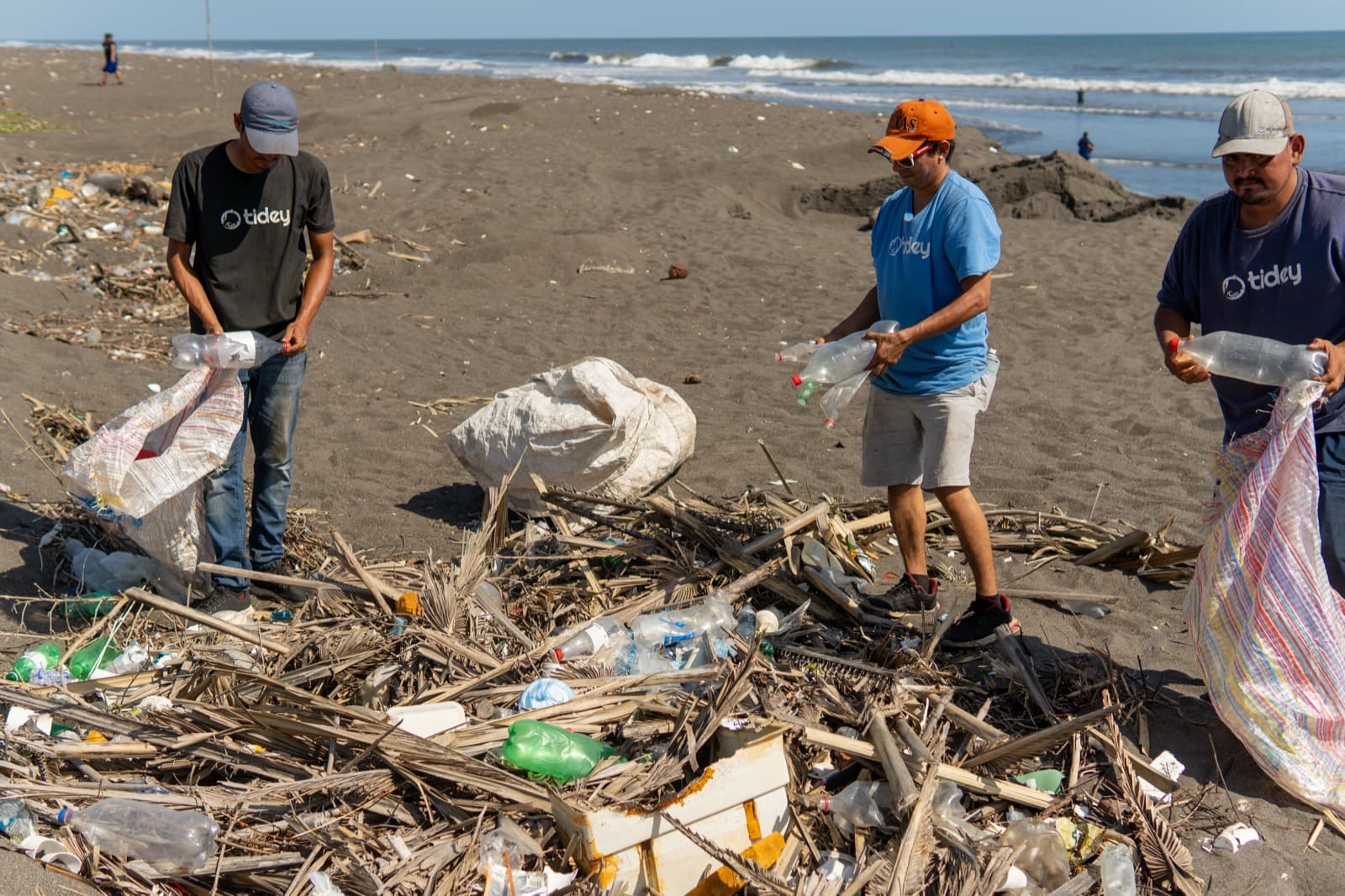
The payment structure is direct. Tidey pays collectors by the pound at the point of collection, with the rate set by material type. The collection is weighed at a community collection point, recorded on the BanQu blockchain with the collector's name and a timestamp, and payment is issued immediately. There is no payroll delay, no bank account required to begin participating, and no minimum quota. Income scales with effort, which means collectors who engage consistently can build a meaningful income stream on their own schedule.
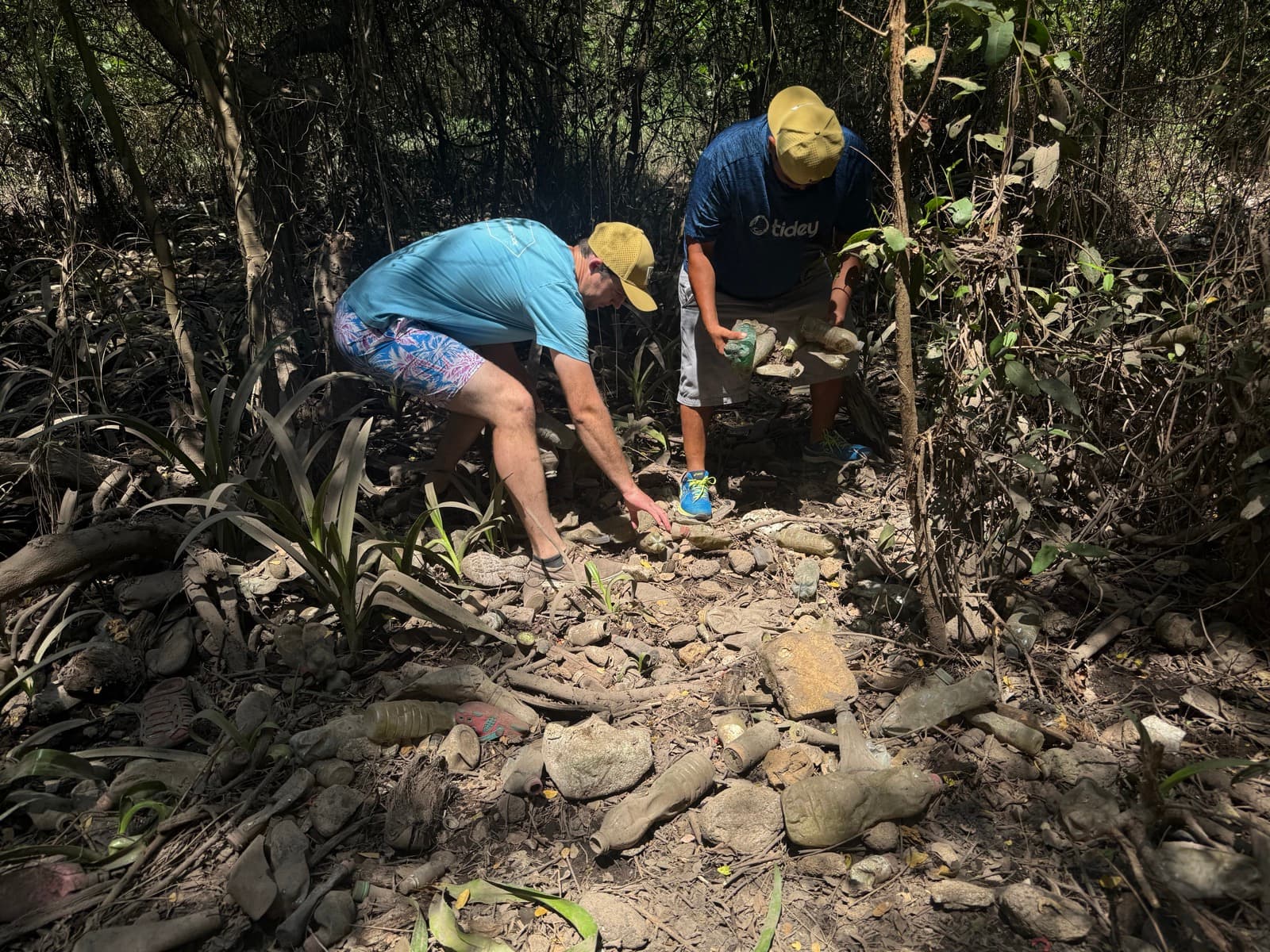
The environmental and economic outcomes from each pound collected are inseparable. Removing plastic from a mangrove or a canal bank prevents that material from reaching the Pacific and creates income for a household in a community where income access is structurally limited. The same act accomplishes both. This is the design choice at the center of Tidey's model: build the environmental solution in a way that creates economic value for the people who are most proximate to the problem.
The bonus point program compounds the economic effect over time. Collectors earn one point per pound of plastic recovered and can redeem accumulated points for goods selected for their long-term impact on household wellbeing. Improved cookstoves reduce wood fuel consumption by between 39 and 59 percent in peer-reviewed Guatemalan field studies, and substantially lower indoor air pollution in households that cook over open fires, which is the source of serious respiratory illness across communities that rely on biomass cooking. Water filtration systems eliminate the recurring cost of bottled water. Solar panels provide off-grid electricity for lighting and phone charging. Refrigerators prevent food waste and support food storage in households dealing with food insecurity. Garden towers and small livestock enable supplemental food production.
The cookstove example illustrates the compounding logic. A household that earns enough points for an improved cookstove reduces its wood fuel expense immediately and permanently. The fuel savings accrue over years. The reduction in indoor smoke exposure improves the respiratory health of everyone in the household. One item redeemed through the bonus program produces multiple downstream effects that outlast the specific collection that earned the points.
Tidey's longer-term goal is to build toward community capacity in plastic sorting and recycling that generates revenue from materials markets rather than depending entirely on donation funding. That is a horizon goal. The immediate reality is that collectors are earning income now from a resource that would otherwise be polluting the waterways where their families live.
Is this just a different form of charity?
The gig model creates an economic transaction rather than a transfer payment. Collectors earn what they collect. The income is connected to measurable, verifiable output: weight recorded on a blockchain, auditable by donors and business partners. There is no ongoing dependency created by a payment that is not tied to output. The work produces real environmental impact and real earnings in the same transaction.
How does the pay rate compare to other available work in these communities?
Payment by the pound creates income for people facing barriers to conventional employment: elderly workers, parents managing childcare responsibilities, workers without formal credentials, and those in areas with limited formal employment options. The gig structure also allows collectors to combine plastic collection with other income activities, which is the pattern for most participants.
What is the goal beyond individual wages?
The bonus program is one compounding mechanism. Community-level education on waste sorting and recycling creates knowledge infrastructure that persists independently of any single organization's continued presence. Tidey's goal is communities that manage their own waste streams more effectively over time, reducing pollution at the source rather than depending on cleanup operations indefinitely.
Sources
- World Bank. Guatemala overview and development data. https://www.worldbank.org/en/country/guatemala/overview
Monthly, from the field in Guatemala.
Collection numbers, new research on plastic and health, and what we are learning in the field. No more than once a month.