May 25, 2025 · by Tidey Ocean Foundation · updated June 11, 2026
10 Actions Ranked by How Much They Actually Help the Ocean
Ranked by real impact: how to reduce plastic reaching the ocean, from policy advocacy to supporting verified collection on the ground.
The ocean plastic problem has a scale problem. Every year, between 19 and 23 million tonnes of plastic waste leak into aquatic ecosystems, according to UNEP's 2024 Annual Report. Global plastic production hit 430.9 million metric tonnes in 2024, up 4.1 percent from the year before. Against those numbers, every cleanup effort, every reusable water bottle, every beach walk picking up debris is real but small. Understanding that ratio honestly is the starting point for deciding where to spend your energy.
That is not an argument for doing nothing. It is an argument for doing the right things. Some actions reduce the flow of new plastic into the environment. Some intercept plastic that would otherwise reach the sea. Some fund people on the ground doing the hardest removal work. The ten actions below are ordered by how much actual change they produce, not by how easy they are to talk about at a dinner party.
Policy advocacy and producer accountability sit at the top of the list because they address volume. In 2024, 193 nations were negotiating a global plastics treaty under UNEP. The draft text at INC-5 in Busan included a target of a 30 percent cut in virgin plastic production by 2040. That negotiation stalled at INC-5.2 in Geneva in 2025 without a final text, and talks are expected to resume. Contacting your elected representatives, signing onto public comment periods, and supporting organizations that show up at those negotiation sessions moves the upstream dial in ways no individual lifestyle change can match.
Eliminating single-use plastics from your own purchasing is second because it reduces demand at the source and is one of the few individual actions whose aggregate effect actually registers in the data. Plastic bags, polystyrene food containers, single-serve plastic bottles, and plastic film packaging make up a large share of what reaches the ocean. Replacing them consistently over years matters more than a single dramatic gesture.
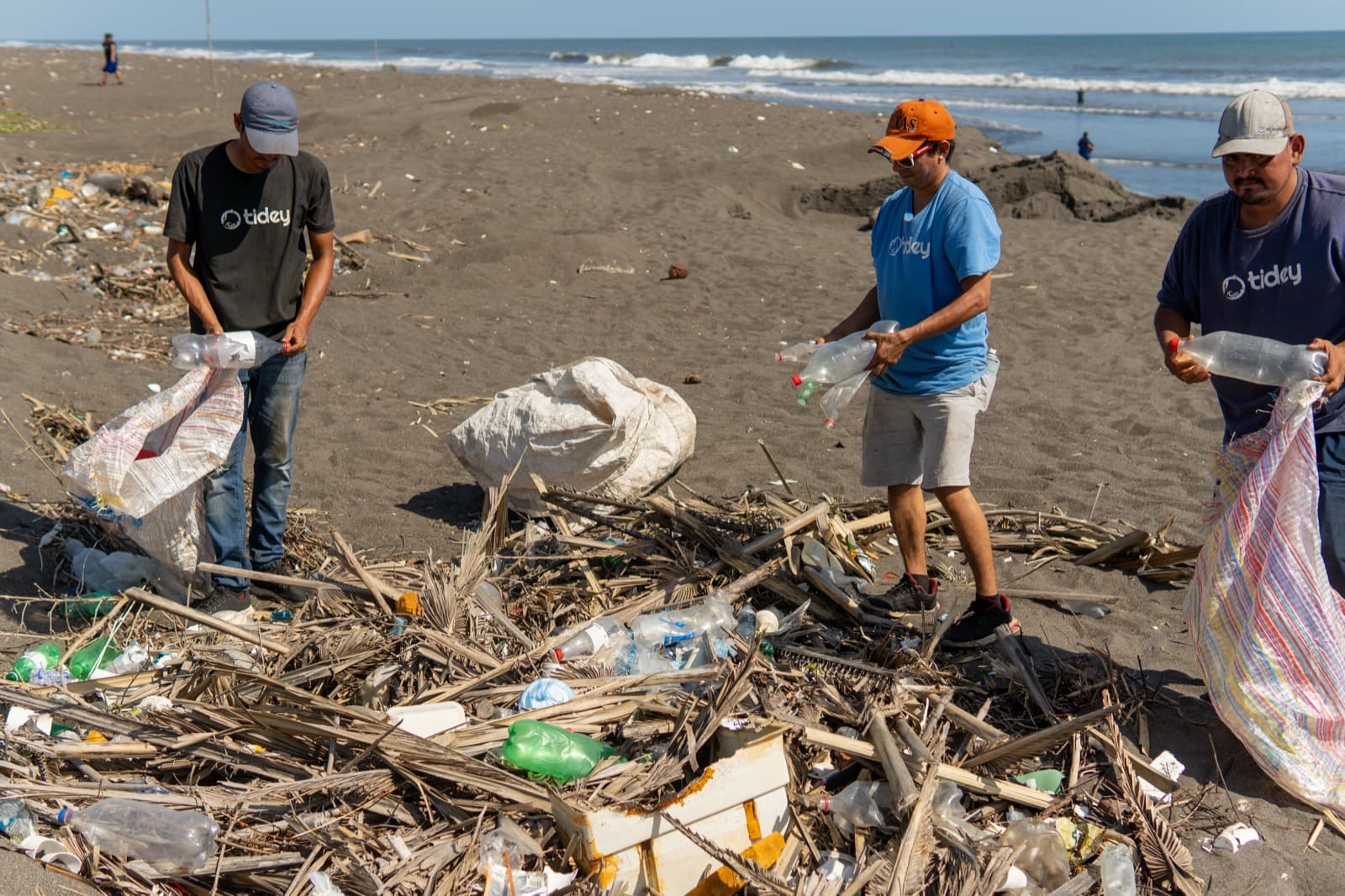
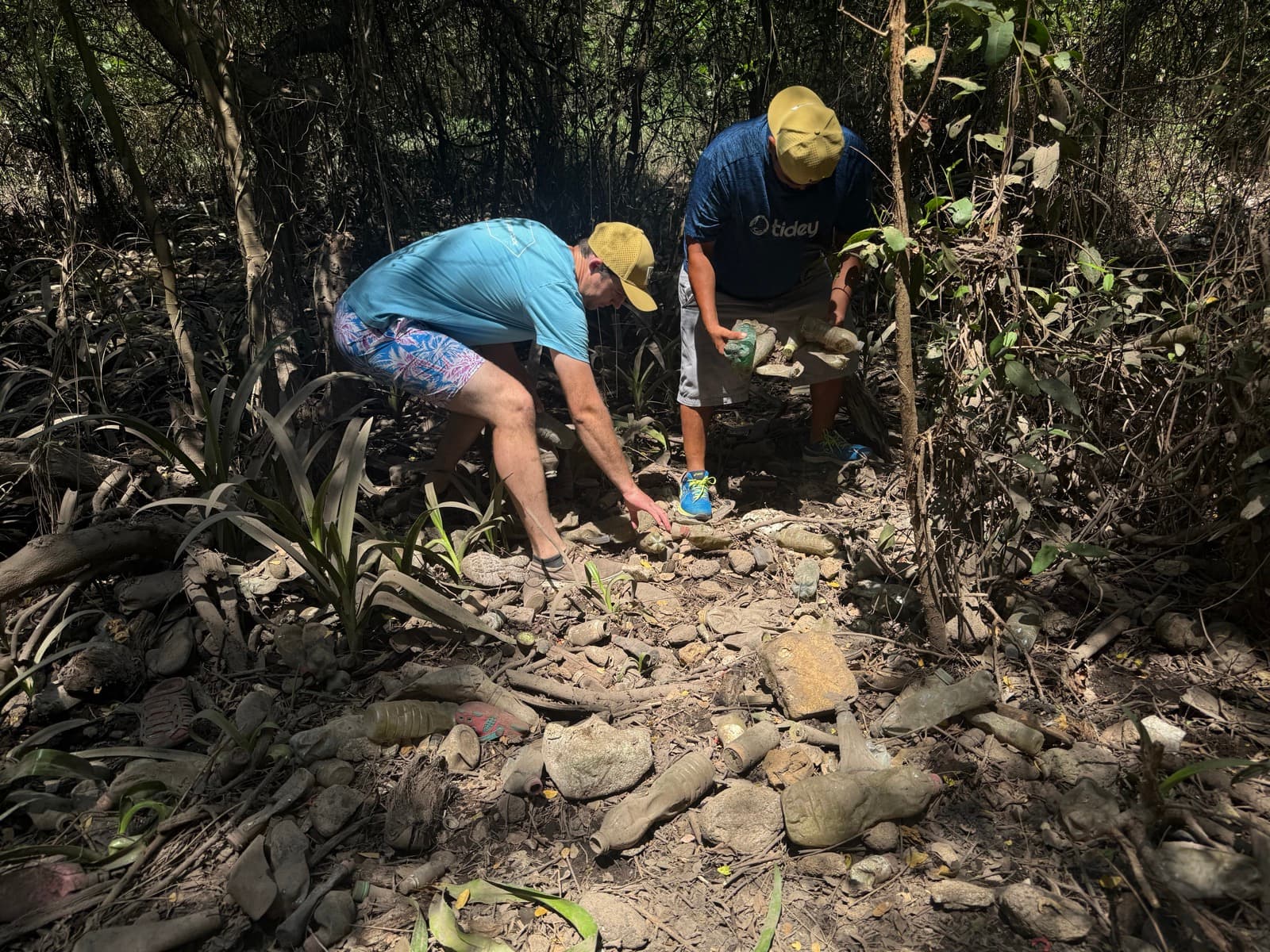
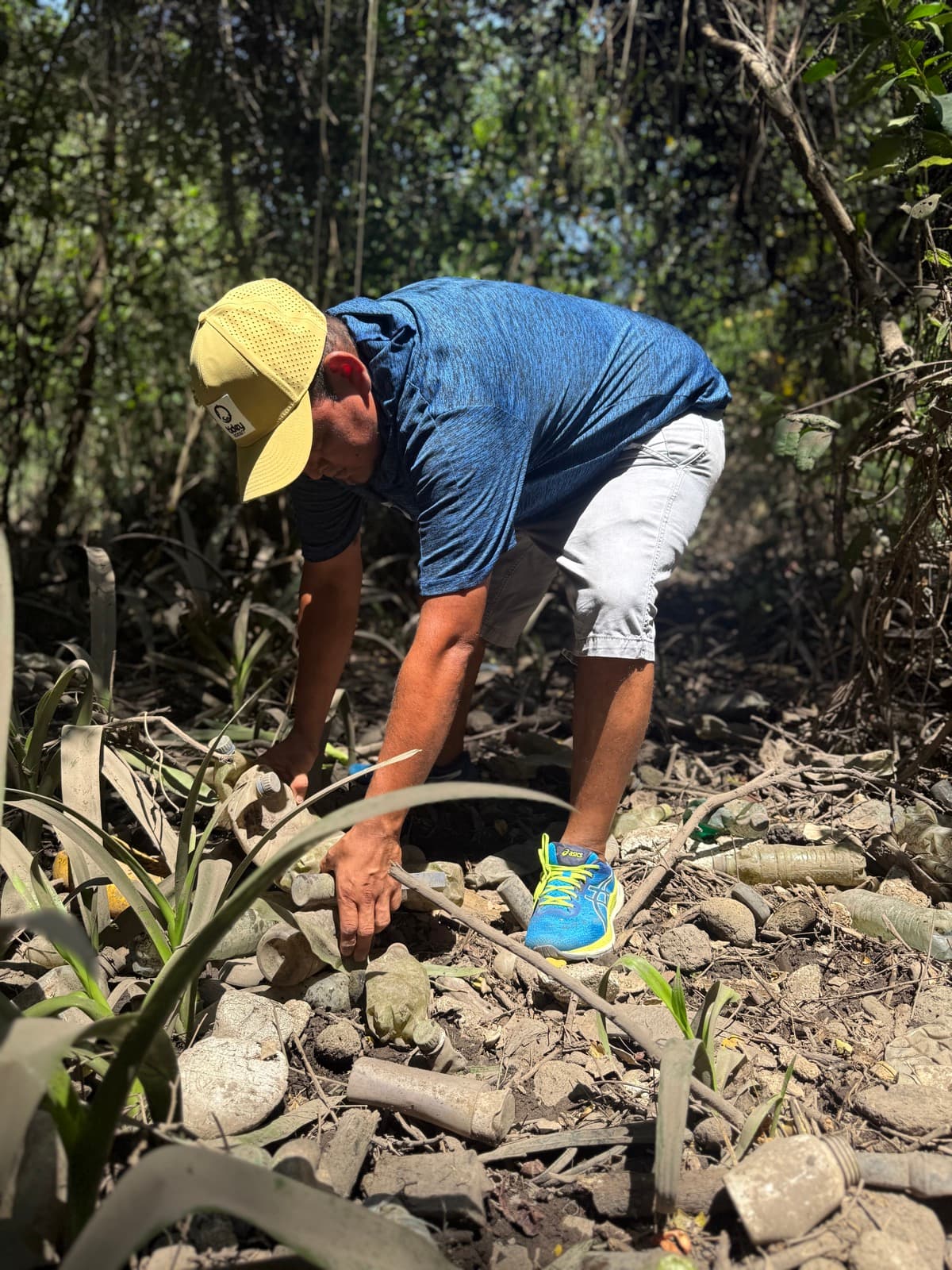
Supporting verified collection operations on coastlines and river mouths is third, and for a specific reason. About 1,000 rivers worldwide contribute the majority of plastic that flows from land into the sea, according to research published in Science Advances in 2021. Intercepting plastic at those chokepoints before it disperses into open water is orders of magnitude more efficient than trying to retrieve it once it breaks down in the marine environment. Organizations that pay local collectors directly and verify results through blockchain-tracked chain of custody, like Tidey Ocean Foundation, are working exactly where the intervention matters most.
Reducing microplastic shedding in your household is fourth. Microplastics are particles smaller than 5 millimeters, often produced when larger plastic items break down or when synthetic textiles shed fibers during washing. A 2024 study published in Nature Medicine examined brain, kidney, and liver tissue samples from autopsies performed in 2016 and 2024. It found microplastics and nanoplastics present in all three organs, with brain concentrations significantly higher than liver or kidney levels, and with concentrations increasing measurably from 2016 to 2024. A 2022 study in Environmental International by Leslie et al. documented microplastics in human blood samples. Microplastics have also been found in human placentas, as reported by Ragusa et al. in Environmental International in 2021.
To reduce microplastic shedding at home: wash synthetic clothing in cold water on gentle cycles and use a microfiber-catching laundry bag or filter, avoid heating food in plastic containers, and replace worn plastic cutting boards and nonstick cookware, which shed particles into food.
Participating in organized beach and river cleanups is fifth. The data shows these events move meaningful weight. In 2024, the Surfrider Foundation removed 365,000 pounds of trash across more than 1,200 cleanups. The Ocean Cleanup reported removing over 24 million pounds of trash cumulatively through 2024. These are real numbers. They are also a fraction of the 19 to 23 million tonnes entering aquatic systems annually. Cleanup events matter most when they generate systematic data on what is being found and where, which can then support policy arguments about producer responsibility.
Documenting and reporting marine debris comes sixth. Apps like Marine Debris Tracker and Planet Patrol let individuals record what they collect, including plastic type, brand, and location. That data feeds into academic research and is used in legal and regulatory proceedings. Several successful extended producer responsibility policies, which make manufacturers responsible for the end-of-life costs of their packaging, have been supported by citizen-science debris data.
Choosing seafood from certified sustainable fisheries is seventh. The Marine Stewardship Council ecolabel indicates that a fishery has been independently assessed against standards that include ecosystem impact. This does not directly reduce plastic, but it does reduce pressure on fish populations already under stress from habitat degradation, which includes plastic entanglement and ingestion. It is a supporting action rather than a primary one.
Reducing overall consumption comes eighth on this list, not because it is unimportant but because its plastic-specific impact is diffuse. Buying less overall means producing less waste, but the connection to ocean plastic in particular depends heavily on your local waste management infrastructure. In countries with reliable waste collection and recycling systems, the path from reduced consumption to reduced ocean input is indirect. In the 20 countries responsible for the majority of ocean plastic input, where collection infrastructure is limited, demand-side reduction in those markets has more direct effect.
Talking to others is ninth. Not as vague awareness-raising, but as specific information transfer. Sharing a peer-reviewed finding with a colleague, explaining how river-mouth interception works to a neighbor, or walking through the numbers on collection economics with a local business owner changes what people do with their own resources and influence. That has compounding effects that are hard to quantify but real.
Financial support to effective organizations is tenth on this list, positioned here not because it is least important but because its impact multiplier depends entirely on the quality of the organization receiving the funds. Before donating, ask: does this organization publish verifiable collection data? Are collectors paid directly, and is the rate published? Is the plastic tracked through recycling or documented disposal rather than simply collected and left somewhere else? The answer to each question separates organizations doing durable work from those producing compelling photographs.
What fraction of ocean plastic do all these efforts actually remove?
Current removal by nonprofits and cleanup organizations represents well under one percent of annual ocean plastic input. The 2040 projections from UNEP, absent policy intervention, show annual ocean plastic input nearly tripling to between 23 and 37 million metric tonnes per year. That arithmetic explains why the actions highest on this list are upstream, systemic, and structural. Individual actions build the culture and political will that makes systemic change possible. They are not substitutes for it.
Does supporting a collection organization actually help if the scale is so small?
Yes, for two reasons. First, intercepting plastic at river mouths before it disperses is genuinely efficient, and the plastic recovered through verified supply chains often displaces virgin plastic production when it enters recycling streams. Second, operations that pay local collectors directly build economic capacity in the communities most directly affected by plastic pollution, which compounds over time in ways that a single cleanup event does not.
What is the single most effective thing an individual can do?
Show up to the policy process. Contact your representatives about the UNEP plastics treaty. Submit comments during public review periods for extended producer responsibility legislation in your state or country. The volume of plastic entering the ocean is a production and waste management failure at industrial scale, and the levers that address industrial-scale problems are policy levers. Everything else on this list supports that work or fills in around it while the policy infrastructure catches up.
Sources
- OECD. Global Plastics Outlook: Policy Scenarios to 2060 (2022). https://www.oecd.org/en/publications/global-plastics-outlook_aa1edf33-en/full-report.html
- U.S. EPA. Reduce, Reuse, Recycle. https://www.epa.gov/recycle
Monthly, from the field in Guatemala.
Collection numbers, new research on plastic and health, and what we are learning in the field. No more than once a month.