May 25, 2025 · by Tidey Ocean Foundation · updated June 11, 2026
Ocean-Bound, River, and Nature-Bound: How We Classify the Plastic We Collect
Not all plastic at risk of reaching the ocean is the same. Here is how collection source categories are defined and why the distinction matters.
When Tidey Ocean or any other collection organization reports pounds of ocean-bound plastic recovered, the figure is only meaningful if you understand what ocean-bound means and how it is defined. The industry uses several classification terms that describe plastic by its proximity to the ocean and its probability of entering marine systems if not collected. These definitions also determine what additionality means: whether the plastic would actually have reached the ocean without the collection program.
Ocean-bound plastic is the most commonly used term in the collection and certification space. Under the definitions used by Verra's Plastic Program, one of the major certification standards in the sector, ocean-bound plastic refers to waste located within 50 kilometers of the ocean in a region with inadequate waste management infrastructure. The 50-kilometer threshold comes from research modeling how far plastic typically travels from source communities to the coast through natural conveyance systems: rain events, rivers, drainage channels, wind, and flooding. Plastic within that zone in a community without formal collection is considered to have a significant probability of reaching the ocean.
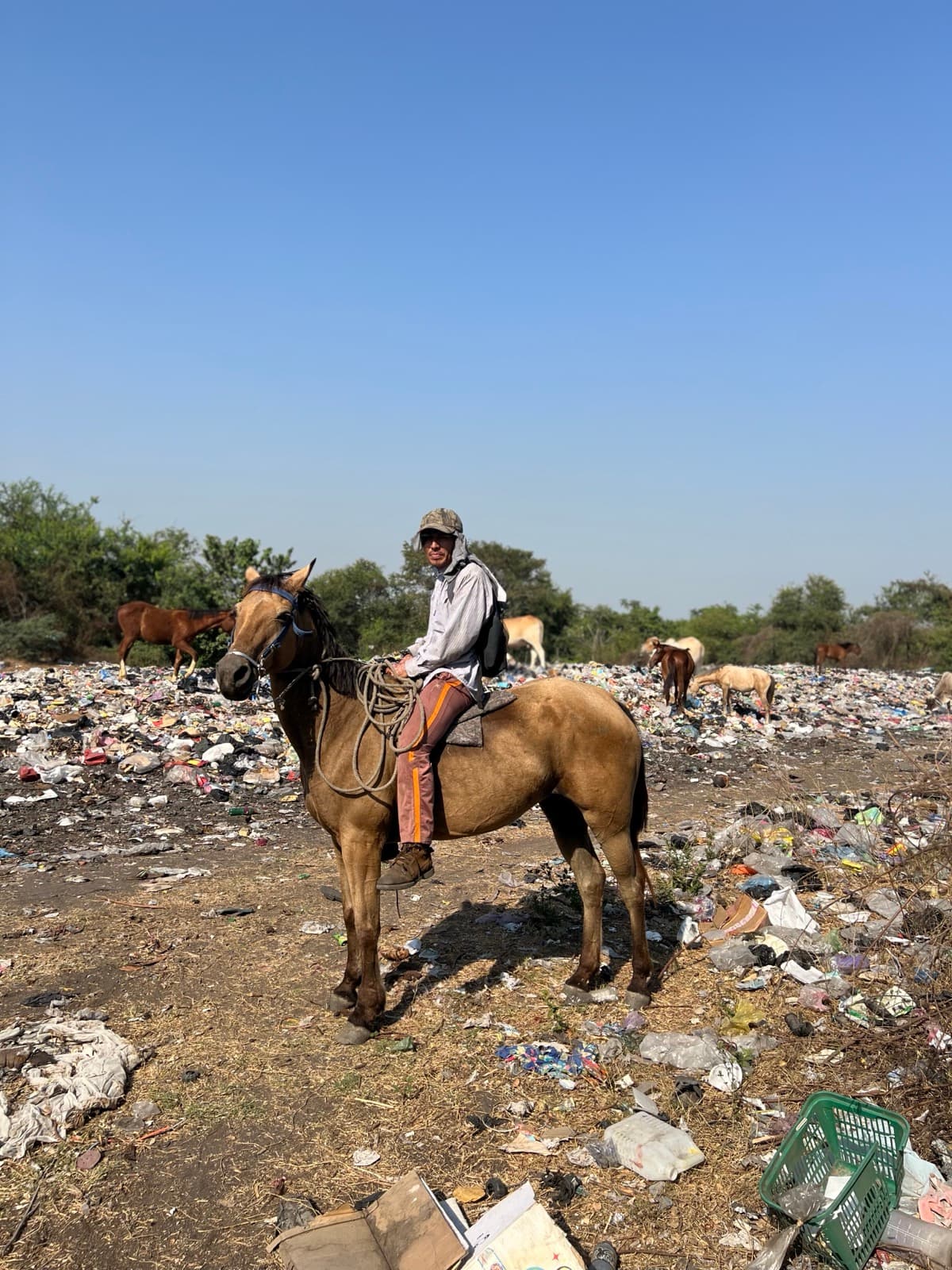
The critical phrase in that definition is inadequate waste management infrastructure. Plastic in a community where collection trucks operate regularly and waste goes to a functioning landfill or recycling facility would not qualify as ocean-bound under the same definition, because the infrastructure prevents ocean entry. Ocean-bound is defined by the combination of geography and context: near the coast, and no adequate collection system exists. In Guatemala's coastal communities where Tidey operates, both conditions apply.
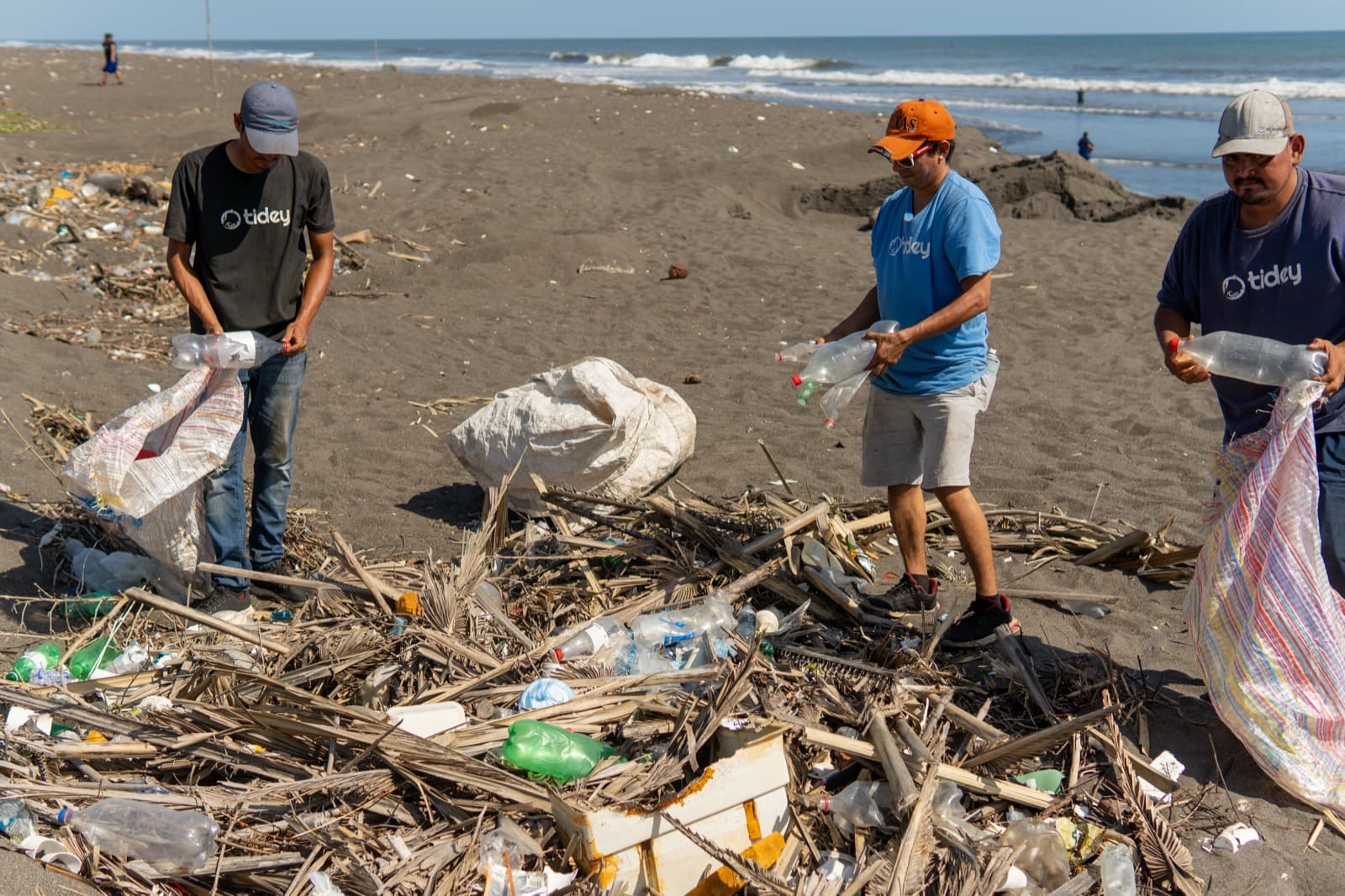
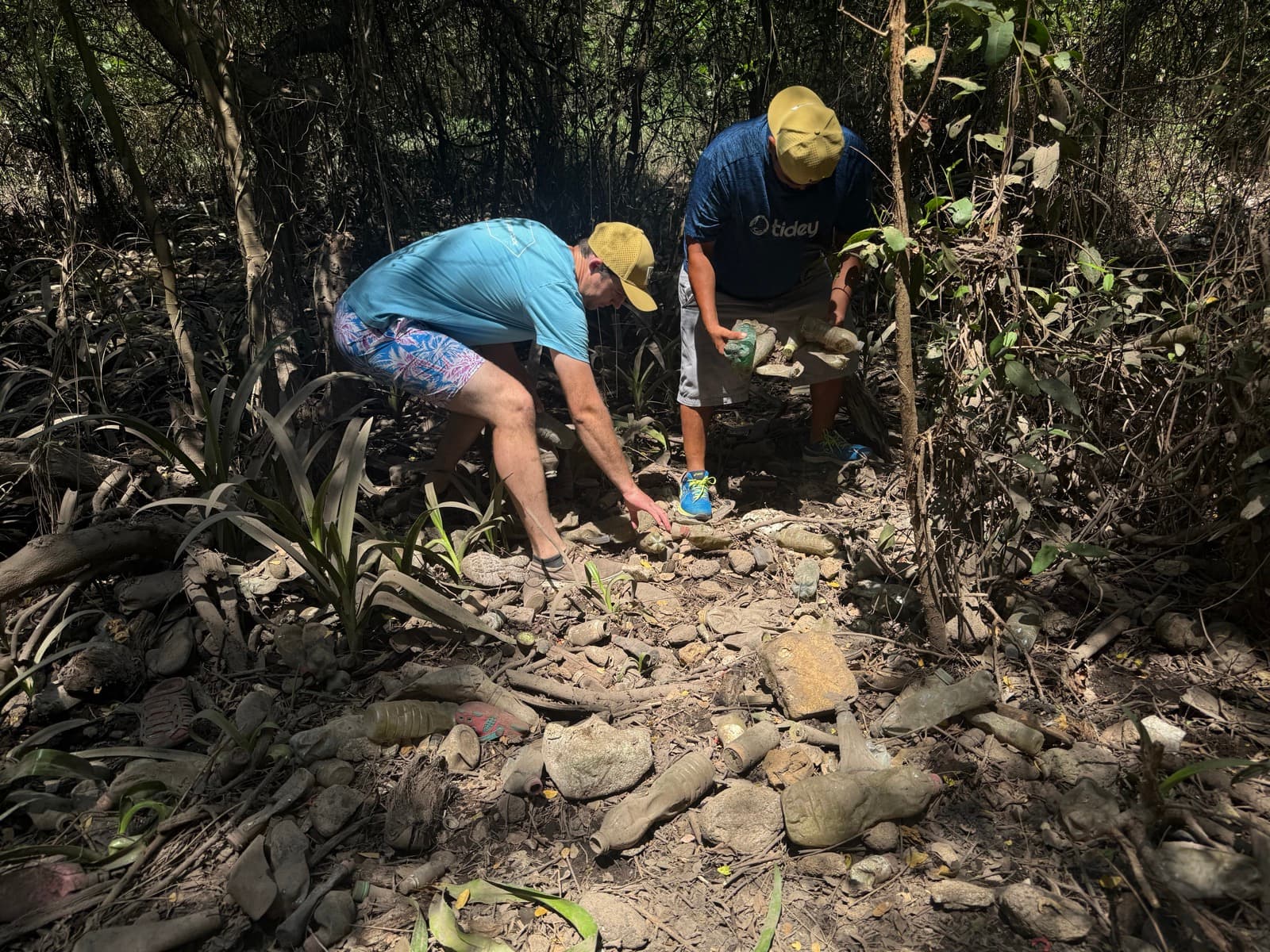
River plastic is a subset with the highest probability of ocean entry. Plastic already in a river is not stationary: it moves with current, accelerates during rain events, and carries continuously through estuaries into marine environments. Rivers are direct conveyance systems to the sea. This is why Tidey's collection points along the Maria Linda and Achiguate rivers focus on material at and near river banks: river-adjacent plastic is the material most immediately at risk of entering the Pacific. River interception is the highest-additionality collection point available.
Ocean plastic describes material that is already in the ocean or that has washed ashore from marine environments. Once plastic enters the ocean, it begins to fragment under UV radiation and wave action, losing both structural integrity and recycling value. Ocean plastic collected from beaches or open-water systems tends to be lower in quality than ocean-bound plastic collected before ocean entry. For organizations focused on recycling outcomes as well as environmental outcomes, ocean-bound collection is more economically efficient because the recovered material retains more value.
Nature-bound plastic describes mismanaged material located more than 50 kilometers from the ocean. This category captures plastic in inland communities that is at risk of being burned or ending up in unmanaged dumps, but that is unlikely to reach the ocean through natural conveyance within a standard timeframe. Nature-bound plastic is still harmful: it burns, it contaminates soil and groundwater, and it generates microplastics that can eventually reach water systems. It is classified separately because the ocean-entry pathway is less direct and harder to model within a defined collection period.
Why do these categories matter for measuring impact?
They matter because additionality is different across categories. River plastic has the highest additionality: it is already in the direct conveyance system to the ocean. Ocean-bound plastic in communities without waste infrastructure has high additionality because the baseline trajectory is open burning or unmanaged dump disposal with eventual ocean entry. Nature-bound plastic has lower additionality for ocean impact specifically, though collection still prevents burning and contamination harms.
Certification programs that verify ocean-bound plastic claims require collection organizations to document that collected material meets both the geographic and the infrastructure criteria. Verra's Plastic Program requires geographic verification of collection point location and assessment of waste management infrastructure in the surrounding area. The BanQu blockchain system that Tidey uses records each collection event with a collector, a weight and a timestamp, and captures GPS coordinates where field conditions allow. Location capture is not yet consistent across all of our records, and improving that coverage is an active priority.
Tidey's network focuses on river plastic and ocean-bound plastic within the coastal zone. The Ocean Cleanup's river emissions model puts the Maria Linda at 1,043,800 kilograms and the Achiguate at 441,900 kilograms of plastic reaching the Pacific each year, roughly 3.3 million pounds between them, and our collection points are positioned where we can intercept material before it clears the river mouth. Of what our collectors recover, we estimate from field observation that approximately sixty percent would otherwise have been burned, and forty percent would have entered the river systems. How much of that forty percent would have reached the Pacific is a separate question. Research on riverine transport indicates that a substantial share of plastic entering a river strands on banks or in sediment rather than completing the journey.
What is the difference between ocean-bound plastic and ocean plastic for a donor trying to evaluate impact?
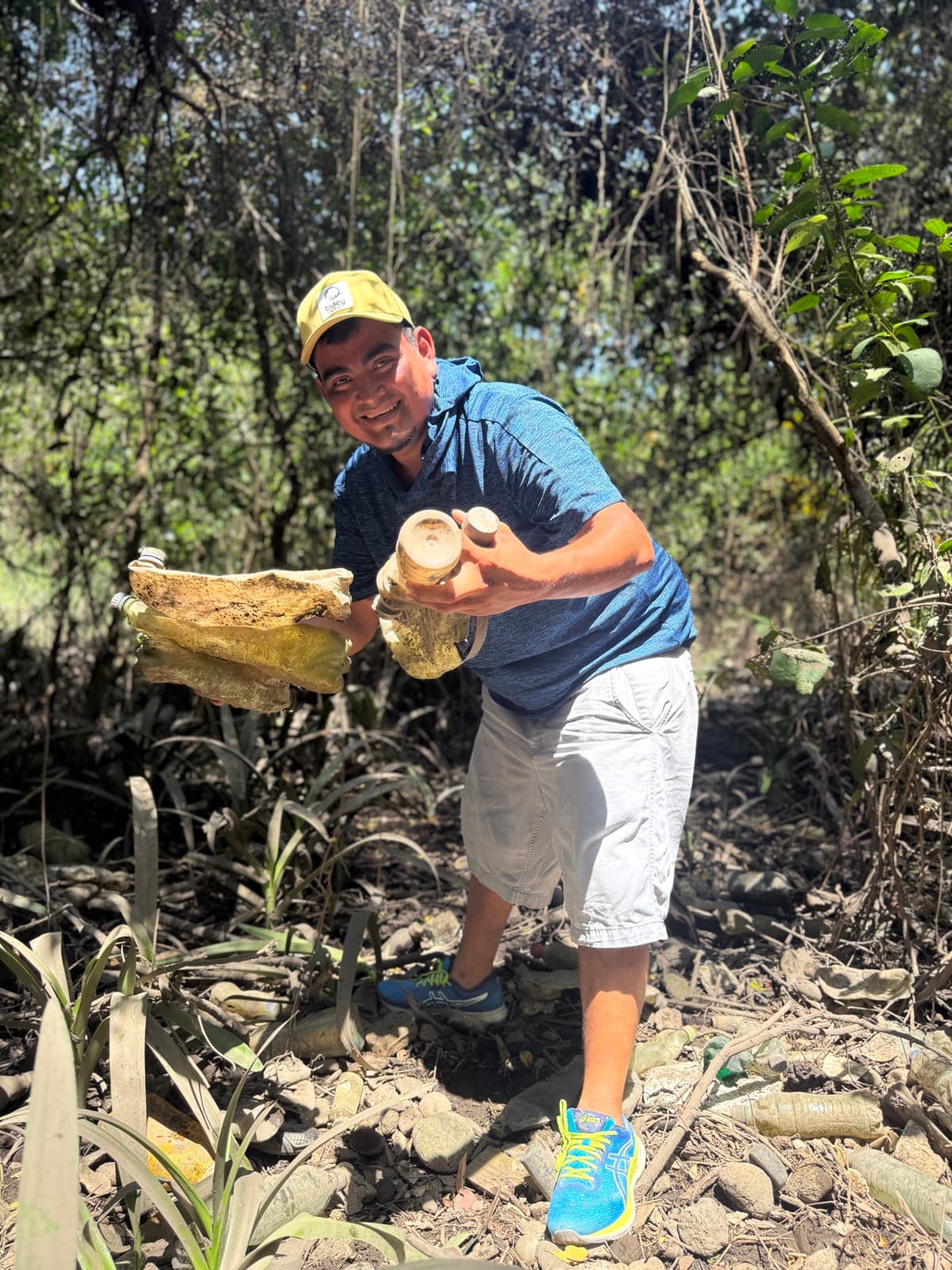
Ocean-bound plastic collected from a river bank reaches the recycling stream with its full mass intact, which is the clearest part of the benefit. Calling the prevention complete would overstate it, because research on riverine transport indicates much of what sits on a bank would have stranded there rather than reaching open water. The recovery is certain. The counterfactual is not. Ocean plastic collected from a beach or open water has already entered the marine environment: its collection removes it, but the material is typically more degraded and less recyclable. Both have real environmental value. Collection of ocean-bound material at river mouths costs less per pound, produces better recycled material, and represents prevention rather than remediation.
How are collection source categories verified independently?
Verra's Plastic Standard uses a combination of geographic information system mapping of waste collection infrastructure, on-site audits, and documentation requirements. The collector's location must be verified within the defined zone, and waste management infrastructure in the surrounding area must be assessed to confirm that adequate formal collection does not exist. Tidey's BanQu records provide timestamped transaction data, with GPS coordinates on a growing share of collections, that supports this verification process.
Sources
- Meijer, L.J.J. et al. More than 1000 rivers account for 80% of global riverine plastic emissions into the ocean. Science Advances 7, eaaz5803 (2021). https://doi.org/10.1126/sciadv.aaz5803
- The Ocean Cleanup. River plastic emissions source map. https://theoceancleanup.com/sources/
Monthly, from the field in Guatemala.
Collection numbers, new research on plastic and health, and what we are learning in the field. No more than once a month.