May 25, 2025 · by Tidey Ocean Foundation · updated June 11, 2026
Paradise Lost: How Progress Poisoned Utah Lake, and What It Tells Us About Every Waterway We Undervalue
Utah Lake once supported 13 fish species. Today it closes regularly for toxic algae. Its decline follows a pattern seen on waterways worldwide.
Utah Lake, a shallow freshwater lake on the eastern edge of the Great Basin in Utah, was once one of the most productive fisheries in the American West. Historically, the lake supported thirteen fish species, sustained indigenous communities for centuries, and provided enough food for early European settlers to describe its waters as extraordinary. Today the lake is regularly closed to recreation due to toxic cyanobacteria blooms, carries measurable concentrations of mercury and selenium from decades of industrial discharge, and its native fish populations are so compromised that the June sucker, a species found nowhere else on Earth, is listed under the Endangered Species Act.
Utah Lake's decline did not happen suddenly. It accumulated through 170 years of individually incremental decisions, each of which seemed locally rational at the time: municipalities using the lake as a discharge point because its volume would dilute the waste; farmers diverting tributaries because the water was more immediately valuable on crops than in the lake; industries disposing of heavy metals because treatment was more expensive than discharge; land managers introducing carp in 1883 because they were thought to provide food, without anticipating that the species would destroy the underwater vegetation that anchored the lake's sediment and supported its native food chain.
The cascade of consequences that followed each of those decisions is what environmental scientists call a regime shift: when a system crosses a threshold and reorganizes into a new stable state that is difficult to reverse. The carp introduced in 1883 are so thoroughly established that removal would require a lake-wide treatment that carries its own ecological risks. Phosphorus and nitrogen deposited in the sediment from decades of agricultural runoff now fuel cyanobacteria blooms that produce hepatotoxins and neurotoxins. The water clarity that once allowed aquatic vegetation to photosynthesize is gone, suppressed simultaneously by carp turbidity and algal bloom density. Each problem reinforces the others in a feedback loop with no simple exit.
Restoration efforts are serious and ongoing. Scientists at Utah Lake have proposed interventions including targeted removal of carp, reestablishment of native aquatic vegetation, reduction of nutrient inputs from agricultural and wastewater sources, and restoration of the lake's shoreline wetlands. These are expensive, technically complex, and multi-decade commitments. The ecological damage that accumulated over 170 years does not reverse in five.
What makes Utah Lake instructive for anyone working on water pollution is not the specific chemistry of the contamination but the governance structure that permitted the damage. The lake was treated as a commons with no owner and no formal mechanism to charge the costs of its degradation to those causing it. Municipal sewage treatment was funded publicly, but the lake received decades of inputs before standards caught up with the damage. Agricultural water diversion was incentivized by subsidy structures that never accounted for the ecological cost of reduced flow. Industrial discharge was permitted under standards set by the cost of compliance to industry, not by the cost of damage to the lake. The people who bore the cost of the degraded lake were the fishing communities, the recreation economy, and the native species. The people generating the degradation were largely insulated from it.
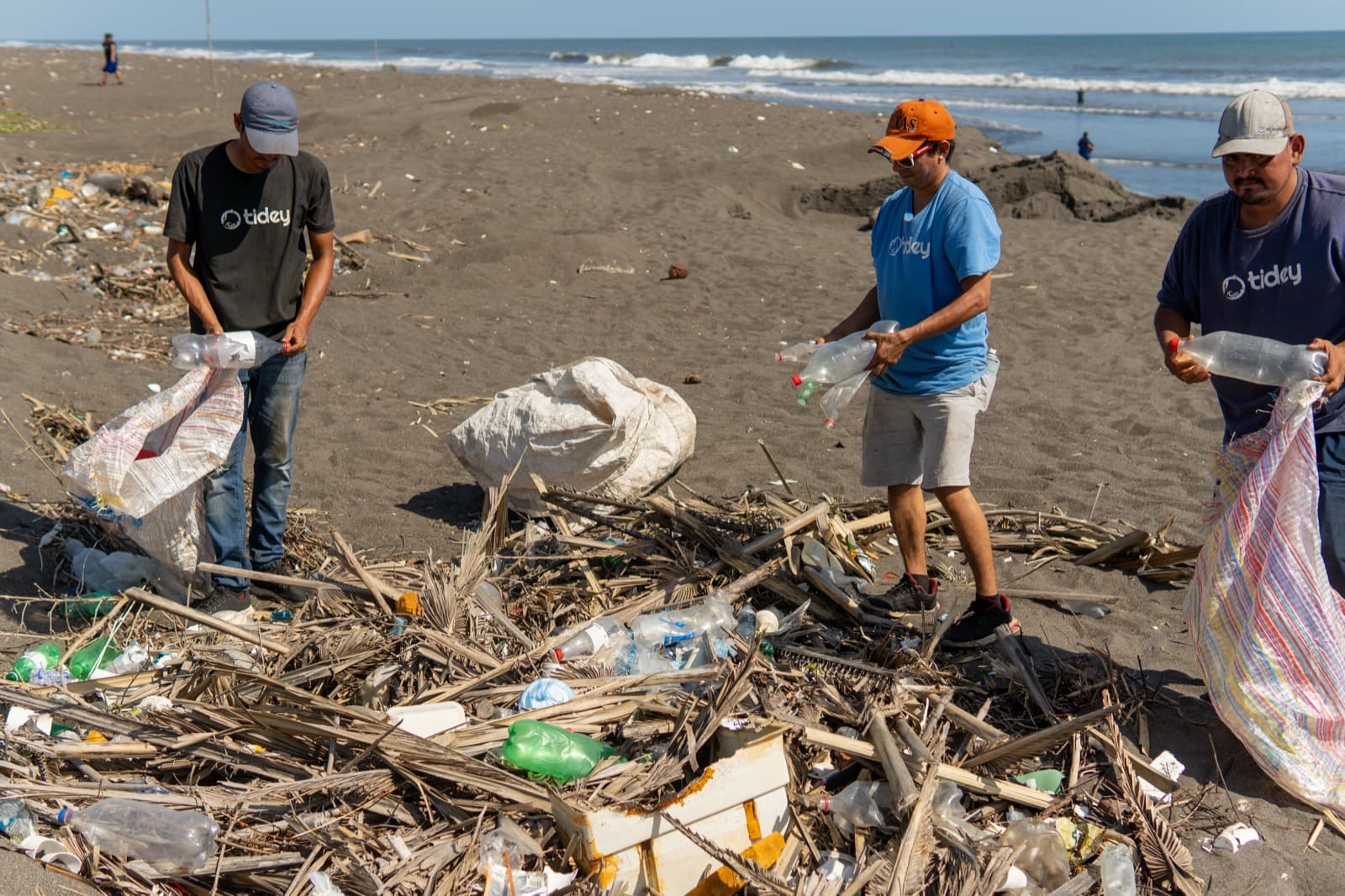
That governance structure, where the cost of degrading a shared water resource falls on the public rather than those responsible, is not unique to Utah. It is the default condition for most of the world's waterways. The rivers where Tidey Ocean operates in Guatemala, the Maria Linda and Achiguate, receive agricultural runoff, wastewater discharge from upstream communities, and plastic waste from communities along their banks. None of that input carries an explicit cost to the depositor. The rivers function as disposal mechanisms because no institution currently prices the cost of their degradation onto those generating it. The consequences accumulate at the coast and in the ocean.
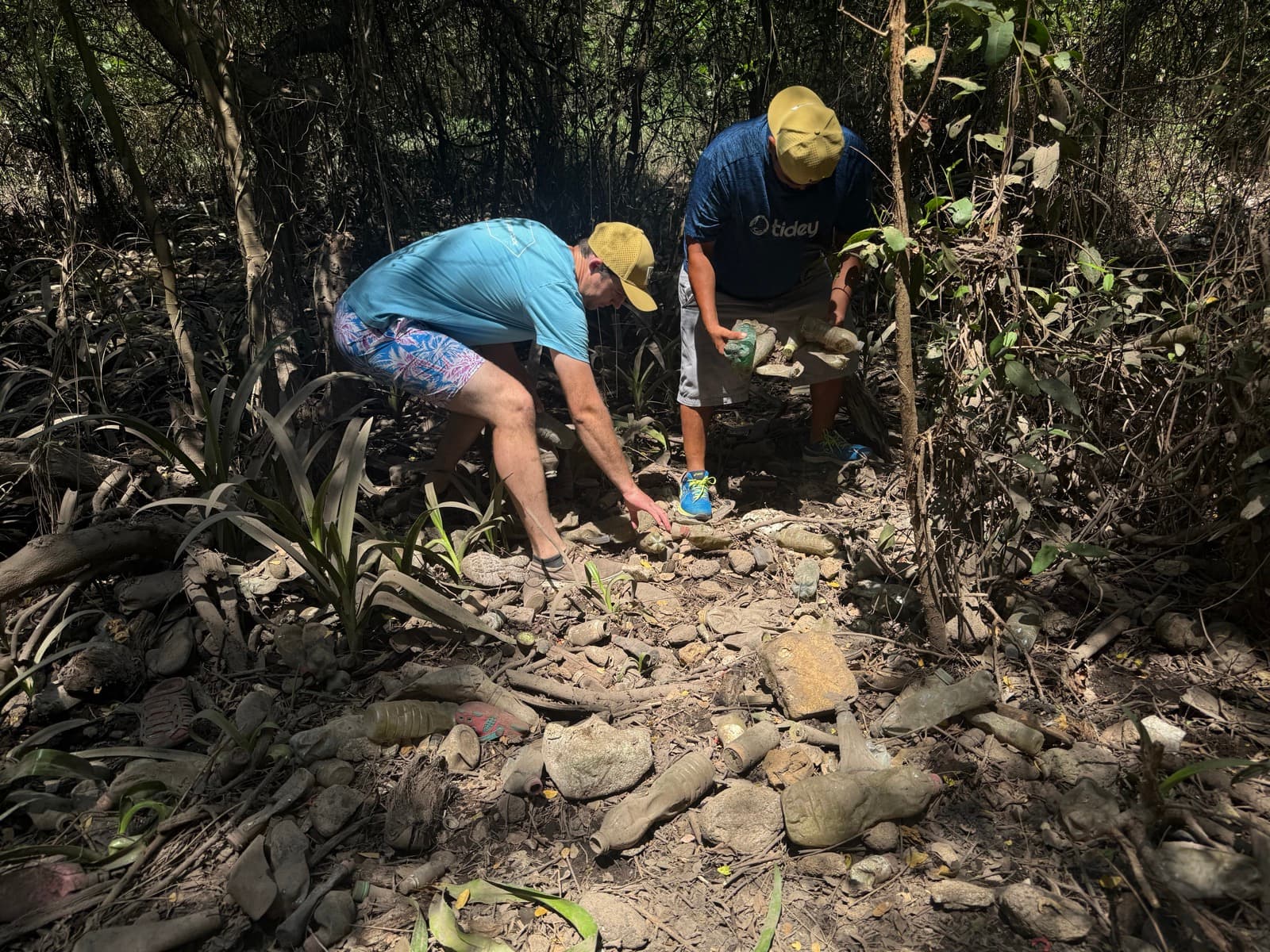
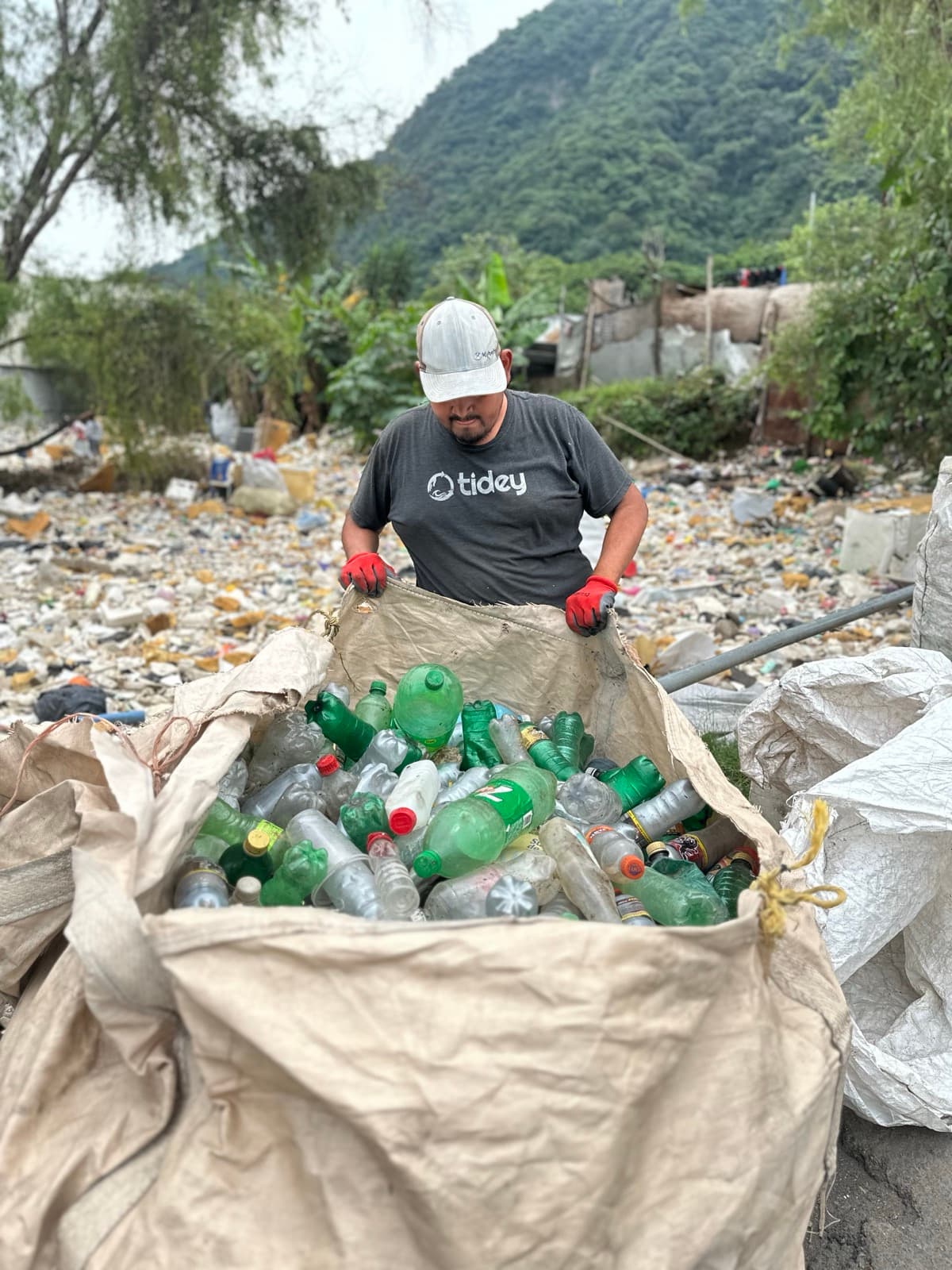
The plastic that enters Guatemala's rivers is the most recoverable part of what damages them. Microplastics, chemical contaminants, and nutrient pollution from agriculture are harder to intercept once they enter the water column. Whole plastic items collected at canal banks and river collection points before they clear the river mouth can still be recovered and recycled. That is where Tidey's work sits: at the last practical interception point before material enters the ocean and begins the fragmentation process that makes meaningful recovery essentially impossible.
Utah Lake's story is ultimately about what happens when the costs of damaging a shared resource are externalized to the public and to future generations. The restoration of the lake, if it succeeds, will cost far more than prevention would have. That asymmetry, prevention cheap and restoration expensive, is the fundamental economic argument for investing in collection infrastructure in coastal communities now rather than after the same regime shifts that degraded Utah Lake have played out in the Pacific. Prevention is cheaper than remediation at every scale, and the remediation cost of ocean plastic is measured in the trillions.
What are cyanobacteria blooms and why are they dangerous?
Cyanobacteria, sometimes called blue-green algae, are photosynthetic bacteria that proliferate rapidly in warm water with elevated concentrations of nitrogen and phosphorus. When conditions favor rapid growth, they form dense blooms that can produce cyanotoxins: chemicals that cause liver damage, neurological effects, and skin irritation at sufficient concentrations. Utah Lake has experienced blooms serious enough to close the lake to all recreation repeatedly in recent years. Contact with bloom-affected water is dangerous for people and animals, and the toxins can persist in the water after the bloom itself has subsided.
How does freshwater pollution relate to ocean plastic?
Most ocean plastic originates in rivers. A 2021 Science Advances study found that more than 1,000 rivers account for approximately 80 percent of land-to-ocean plastic flow, all of them freshwater systems carrying material from inland communities to coastal waters. Nutrient and chemical pollutants follow the same pathways: agricultural runoff that causes harmful algal blooms in inland lakes eventually reaches coastal waters and contributes to the oxygen-depleted dead zones documented at major river mouths globally. The health of inland waterways is the upstream precondition for ocean health, and the governance failures that allow freshwater degradation are structurally identical to the failures that allow plastic to reach the ocean.
Sources
- Utah Department of Environmental Quality. Utah Lake Water Quality Study. https://deq.utah.gov/water-quality/utah-lake-water-quality-study
- Utah Department of Environmental Quality. Water Quality Assessment and Analysis: Utah Lake Water Quality Study. https://deq.utah.gov/water-quality/water-quality-assessment-and-analysis-utah-lake
Monthly, from the field in Guatemala.
Collection numbers, new research on plastic and health, and what we are learning in the field. No more than once a month.