May 25, 2025 · by Tidey Ocean Foundation · updated June 11, 2026
The People Behind the Collection: Tidey Ocean's Collector Network
Meet the men and women collecting ocean-bound plastic in Guatemala, and how the gig economy model turns waste into wages for coastal communities.
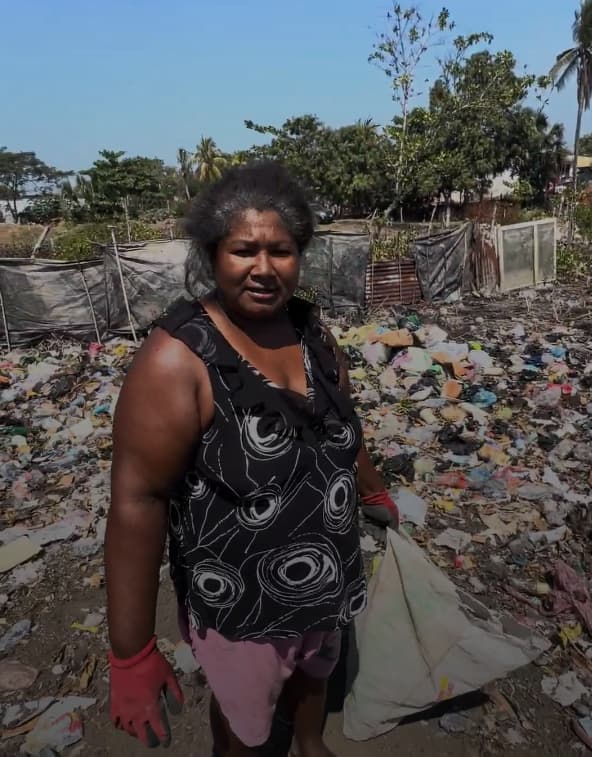
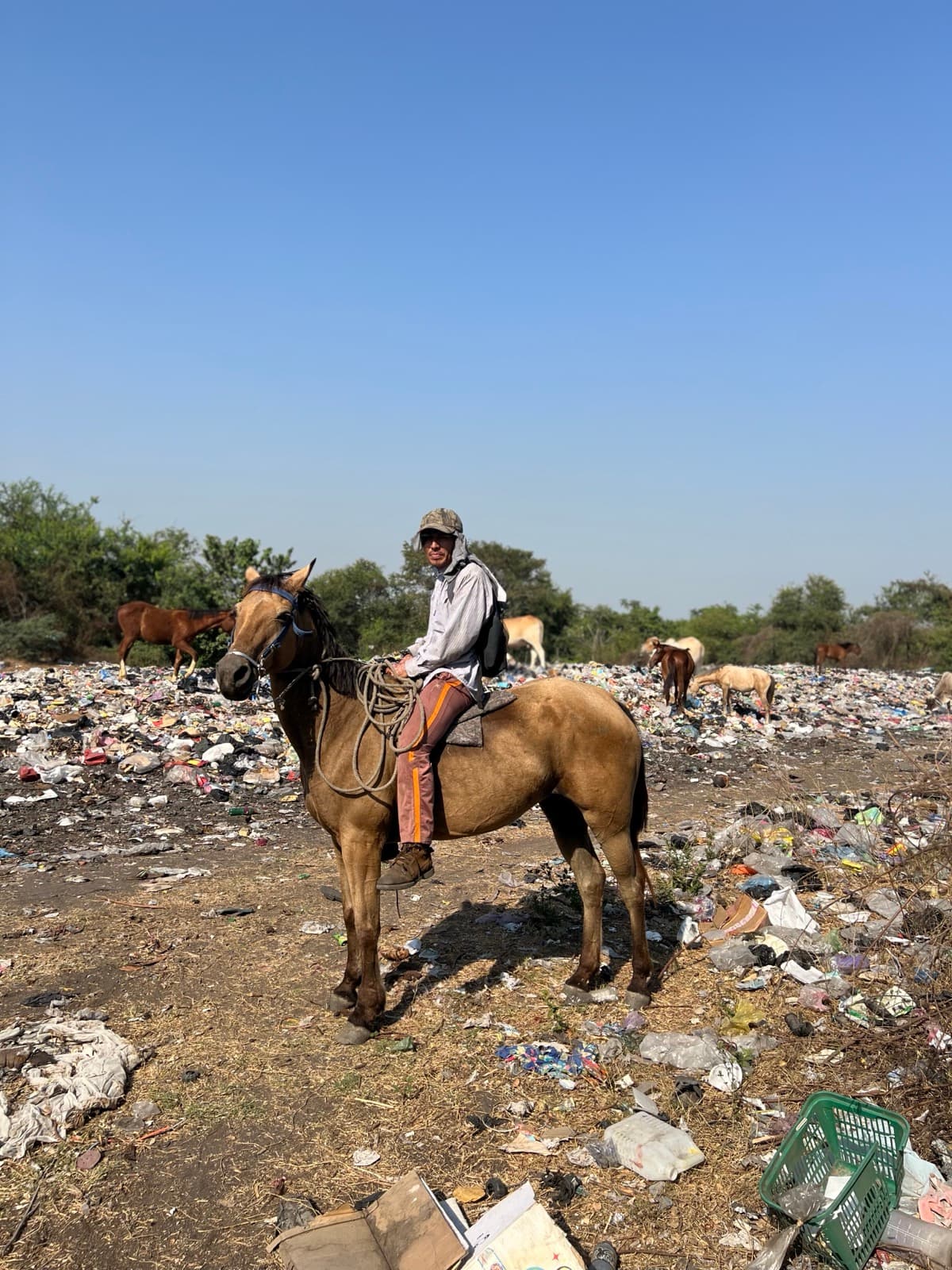
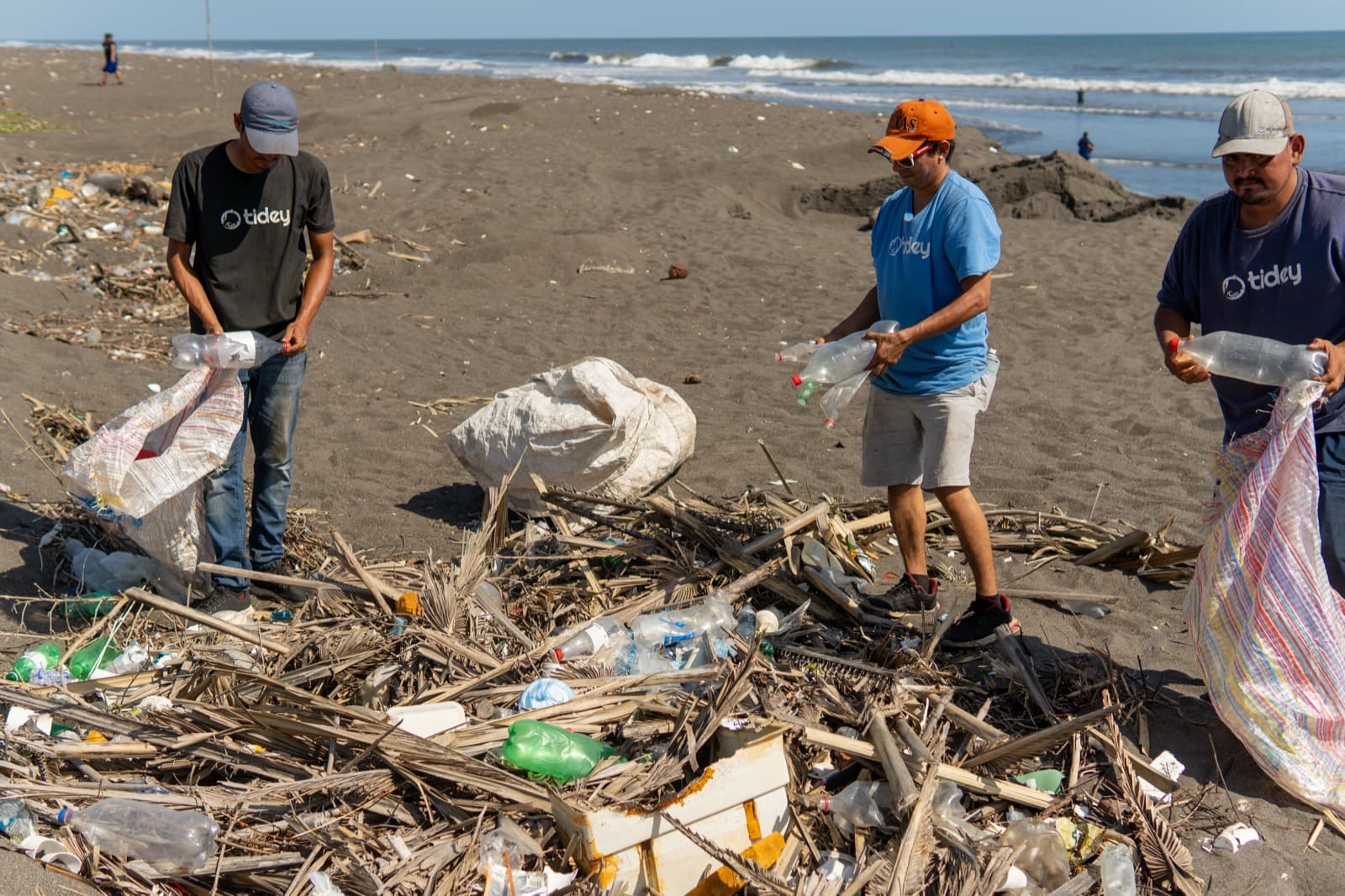
In Guatemala's coastal communities, plastic accumulates in mangroves, lines the banks of canals, and collects at the edges of landfills that drain toward rivers flowing to the Pacific. The people who pull it out are not volunteers. They are workers, paid by the pound, doing a job that was not available to their communities before Tidey Ocean created it.
Tidey operates on a gig economy model. Anyone in the communities we work with can collect ocean-bound plastic, bring it to a collection point, have it weighed and recorded on the BanQu blockchain, and receive payment on the spot. There is no shift schedule, no minimum commitment, and no formal employment history required. A collector can work for a few hours on a weekday morning or spend every available day pulling plastic from a canal. The model is built around how people in subsistence economies actually organize their time: around the other demands of life.
Silverio is one of the program's original collectors. At 88 years old, he still walks through his community gathering plastic, providing supplemental income for a household that includes his children and grandchildren. His consistent participation reflects one of the design advantages of the gig model: it is accessible to people at the margins of the formal labor market, including elderly workers who are routinely excluded from conventional employment. The work fits into his life because there is no schedule to report to and no minimum to hit.
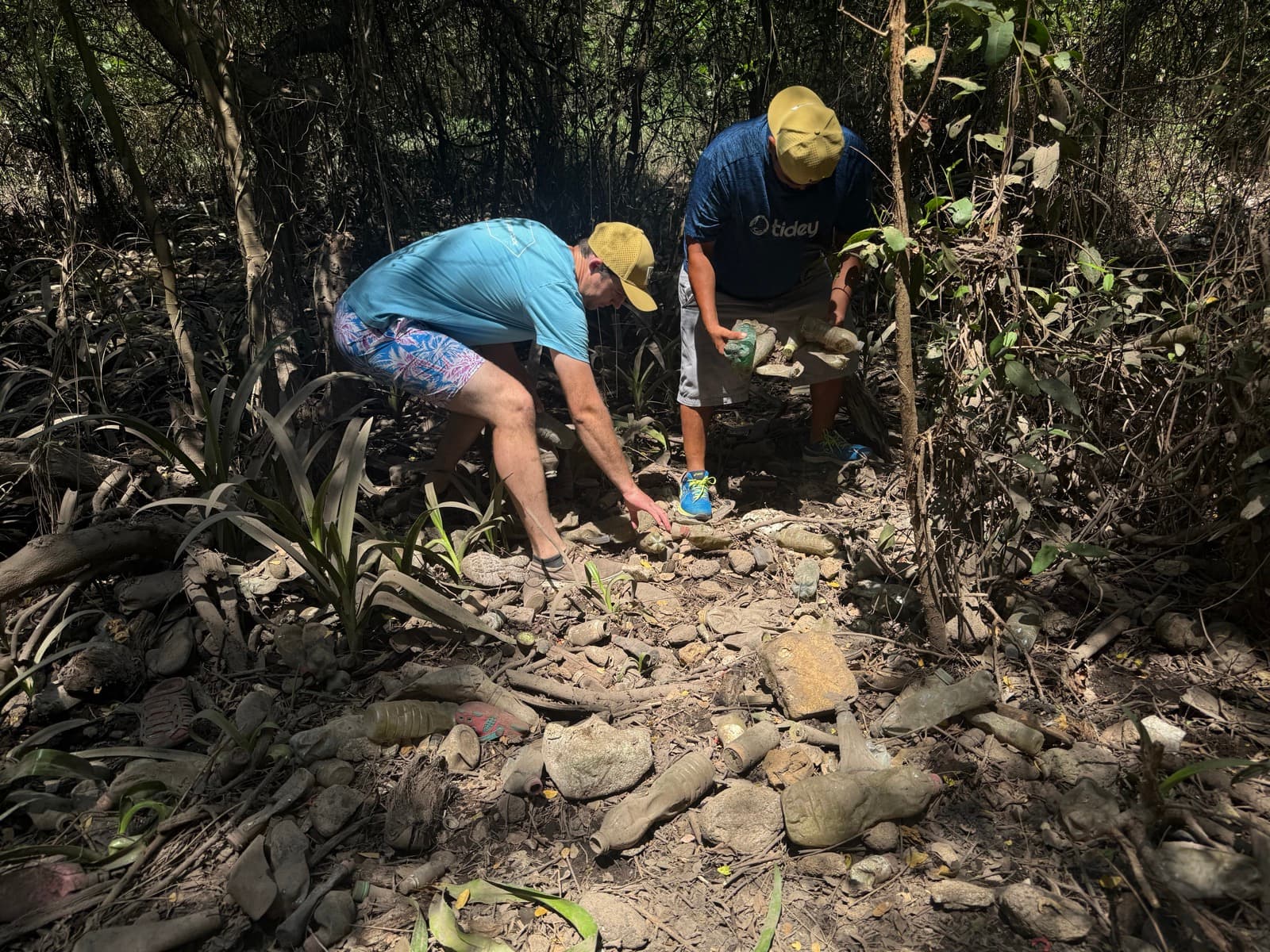
Marleni collects near a mangrove that had become an informal dumping ground before she started working it. The same area she helped clean illustrates what "ocean-bound" means in practice. Plastic sitting in a mangrove adjacent to a coastal waterway is not securely contained. Rain moves it. Tidal patterns move it. The only reliable way to keep it out of the water is to remove it before that happens, and Marleni's collection work is the mechanism that makes that possible, alongside the other work she does caring for her animals.
Edith lived adjacent to a landfill that drains into a river. She became one of the program's earliest participants and collected plastic from waste loads at the landfill site. The income gave her financial independence to manage her household without depending on support from others. She no longer collects with us, but that kind of economic agency, built from a resource that was previously being discarded, is what the gig model produces for the collectors who engage with it consistently.
The broader collector network includes workers like Martha, Irma, Blanca, and Isabel, each active in the communities surrounding the waterways we work to protect. The range of people involved reflects what happens when a collection system is designed with low barriers to entry: participation draws in people across different household situations and economic backgrounds, because the only requirement is the ability to collect plastic and transport it to a weigh station.
Guatemala's poverty context gives weight to what this income means. Fifty-six percent of the population lives below the national poverty line, according to World Bank 2023 figures, with sixteen percent in extreme poverty. In that environment, a payment model that activates immediately after collection, requires no formal credentials, and scales directly with effort creates economic access that conventional employment structures have not provided in these communities. For elderly collectors like Silverio, for parents managing childcare responsibilities, and for workers in areas with limited formal job access, the gig model reaches where other income-generation programs do not.
The term "ocean-bound plastic" describes material with a specific trajectory. In coastal Guatemala, plastic that is not collected faces one of two outcomes. Based on our own field observation in the communities where we work, we estimate that approximately sixty percent of what Tidey's collectors recover would otherwise have been openly burned, a common disposal method in communities without formal waste management infrastructure. Open burning releases toxic compounds including dioxins, furans, and fine particulate matter that cause serious respiratory harm to the people living in those communities. The remaining forty percent would have followed waterways to the Pacific. Interception at the collection point prevents both outcomes.
Pounds collected are weighed at the collection point and recorded on the BanQu blockchain with the collector's name, the weight, and a timestamp. A small share of our earlier records, from a period when field recording was less disciplined, carries no attributed collector name. That record is not a model output or an estimate. It reflects a specific transaction that donors, business partners, and external parties can access directly. The BanQu platform is used in supply chains globally because the records it creates are auditable and permanent.
The plastic continues to sorting and processing after collection. Most of what Tidey's collectors recover is recyclable resin, primarily PET bottles, LDPE film, and polypropylene string. Since 2022 we have sent 89.5 percent of everything we collected on to recyclers. That material enters the recycling stream rather than going to a landfill or being re-dumped. Tidey's fully loaded cost runs at approximately forty cents per pound and covers the full chain from collection through recycling, meaning the impact number represents the complete outcome, not just the pickup.
Collectors who build consistent collection volume over time also access Tidey's bonus point program, which allows them to exchange accumulated points for goods selected for their long-term impact on household wellbeing: improved cookstoves, water filtration systems, solar panels, refrigerators, and other items that lower ongoing household costs and improve health outcomes. The economic benefit of consistent collection compounds over time, not just in wages but in material improvements to how a household operates.
How does a collector get started?
There is no application process. Collectors learn about the program through community networks, bring their first load to a collection point, and receive payment after the weight is logged on BanQu. The process is identical for the first collection and the hundredth: weight recorded, payment issued, blockchain entry created.
What kinds of plastic do collectors bring in?
The primary materials are PET bottles, LDPE film plastic, and polypropylene string, the plastics used in beverage containers, packaging film, and agricultural cordage. Collectors also bring in other materials, which go through a sorting process to determine recyclability. Since 2022, 89.5 percent of total weight collected has been sent on to recyclers.
How is the impact verified independently?
The BanQu blockchain creates a record that exists outside of Tidey's internal systems. The chain of custody from named collector to weigh station to recycling facility is auditable by donors and business partners through the impact dashboard. The verification is structural, not self-reported, which is why business partners use it for ESG reporting and why donors can confirm specific collection events.
Sources
- World Bank. Guatemala poverty and equity data (2023). https://www.worldbank.org/en/country/guatemala/overview
- BanQu. Blockchain traceability for supply chains. https://banqu.co/
- Tidey Ocean field collection registry and BanQu transaction records, 2021-2026.
Monthly, from the field in Guatemala.
Collection numbers, new research on plastic and health, and what we are learning in the field. No more than once a month.