May 25, 2025 · by Tidey Ocean Foundation · updated June 11, 2026
Moving More, Wasting More: What Rising Consumption Means for Plastic Pollution
As more of the world connects to global supply chains, plastic packaging follows. Here is what the data shows about consumption growth and ocean plastic.
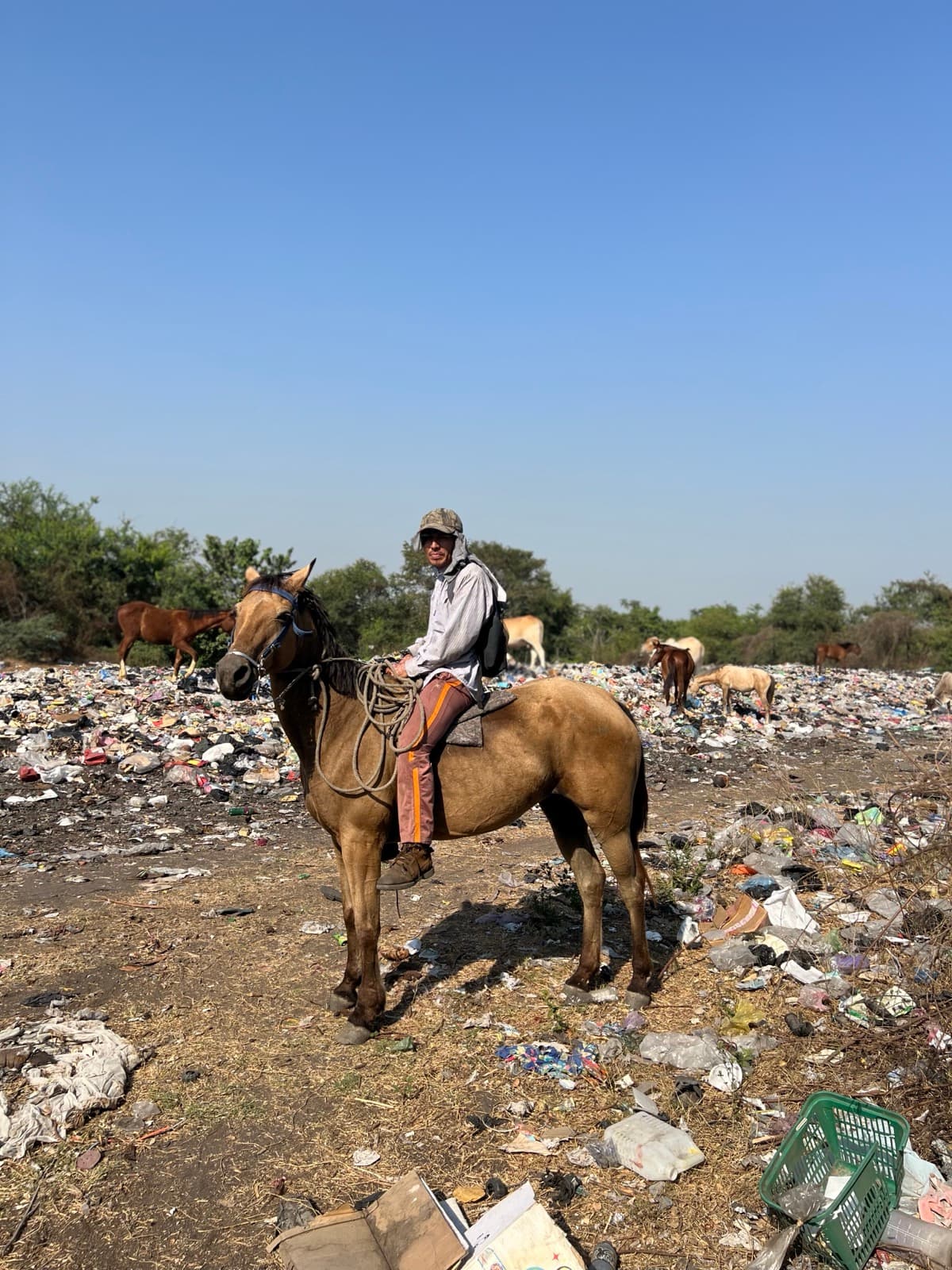
The relationship between economic development and plastic waste follows a predictable pattern. As regions gain access to global supply chains, consumption of packaged goods rises. As incomes grow, disposable products follow. And in almost every case, formal waste management infrastructure arrives years or decades behind the consumption growth it needs to serve. This is not a story about individual behavior. It is a story about how plastic production, distribution, and waste management have developed at different speeds, with the costs of that mismatch concentrated in the communities least responsible for it.
Global plastic production reached 430 million metric tonnes in 2024, nearly triple the volume from 2000. Most of that growth has occurred in rapidly developing economies across Asia, Latin America, and Africa, where access to packaged goods and single-use consumer products has expanded dramatically as trade networks and retail distribution reach more communities. The OECD projects that global plastic waste will grow by approximately 70 percent by 2040 under current trajectories, driven almost entirely by consumption growth outpacing collection infrastructure in developing economies.
Mobility amplifies the problem through two distinct mechanisms. The first is the physical movement of goods: packaged products now travel further and faster than at any point in history, and the packaging those goods arrive in enters waste streams in locations that had no hand in designing or producing the packaging. A plastic water bottle, packaged snack food, or laundry detergent container may be designed in one country, manufactured in a second, distributed through a third, and become waste in a coastal community in Guatemala or Indonesia that was uninvolved in any stage of its production.
The second mobility effect is residential. US data from the EPA found that furniture and small appliance waste contributed approximately 11.3 million tonnes to landfills annually in 2018, up from 6.0 million tonnes in 1990. The increase corresponds with a period of rising residential mobility and shorter product lifecycles, as inexpensive, easily replaced goods generate more waste per household than durable items designed for decades of use. The same logic applies globally as urbanization accelerates: households moving from rural to urban settings often replace locally produced goods with manufactured substitutes that carry more packaging and shorter designed lifespans.
The critical gap is infrastructure. Waste collection, sorting, and recycling systems take years and significant capital investment to build. In rural and coastal communities, they are often absent entirely. Guatemala's Pacific coast communities, where Tidey Ocean operates, receive plastic packaging from global supply chains just as connected urban consumers do. Goods and services move effectively through informal distribution networks. But the reverse flow, removing the packaging those goods arrive in, is not matched by any equivalent collection system. The OECD estimates that 22 percent of global plastic waste is currently mismanaged, meaning it ends up in open dumps, burned in fields, or washed into waterways. That average masks significant geographic concentration: in parts of Latin America and Southeast Asia, mismanagement rates exceed 60 percent.
E-commerce has added a new dimension to the packaging volume problem. Online retail generates significantly more packaging per unit sold than in-store retail, because goods must be individually packaged and cushioned for shipment rather than arriving in bulk at a distribution point. Global e-commerce plastic packaging waste was estimated at roughly 940 million kilograms in 2021, a figure that continues to grow as e-commerce penetration rises in lower-income economies. Much of that packaging is low-density film plastic, bubble wrap, and polystyrene void fill that are almost entirely single-use and rarely recycled.
The consumption-infrastructure gap is why preventing plastic from reaching the ocean requires both ends of the supply chain to change simultaneously. Consumer choices and policy pressure on packaging design matter at the production end. Investment in waste collection infrastructure matters at the disposal end. The communities bearing the ecological cost of mismanaged plastic are neither the primary producers of that plastic nor the primary consumers of the goods it packages. They are, in most cases, the recipients of plastic produced elsewhere, in volumes that exceed any informal waste management system's capacity to handle.
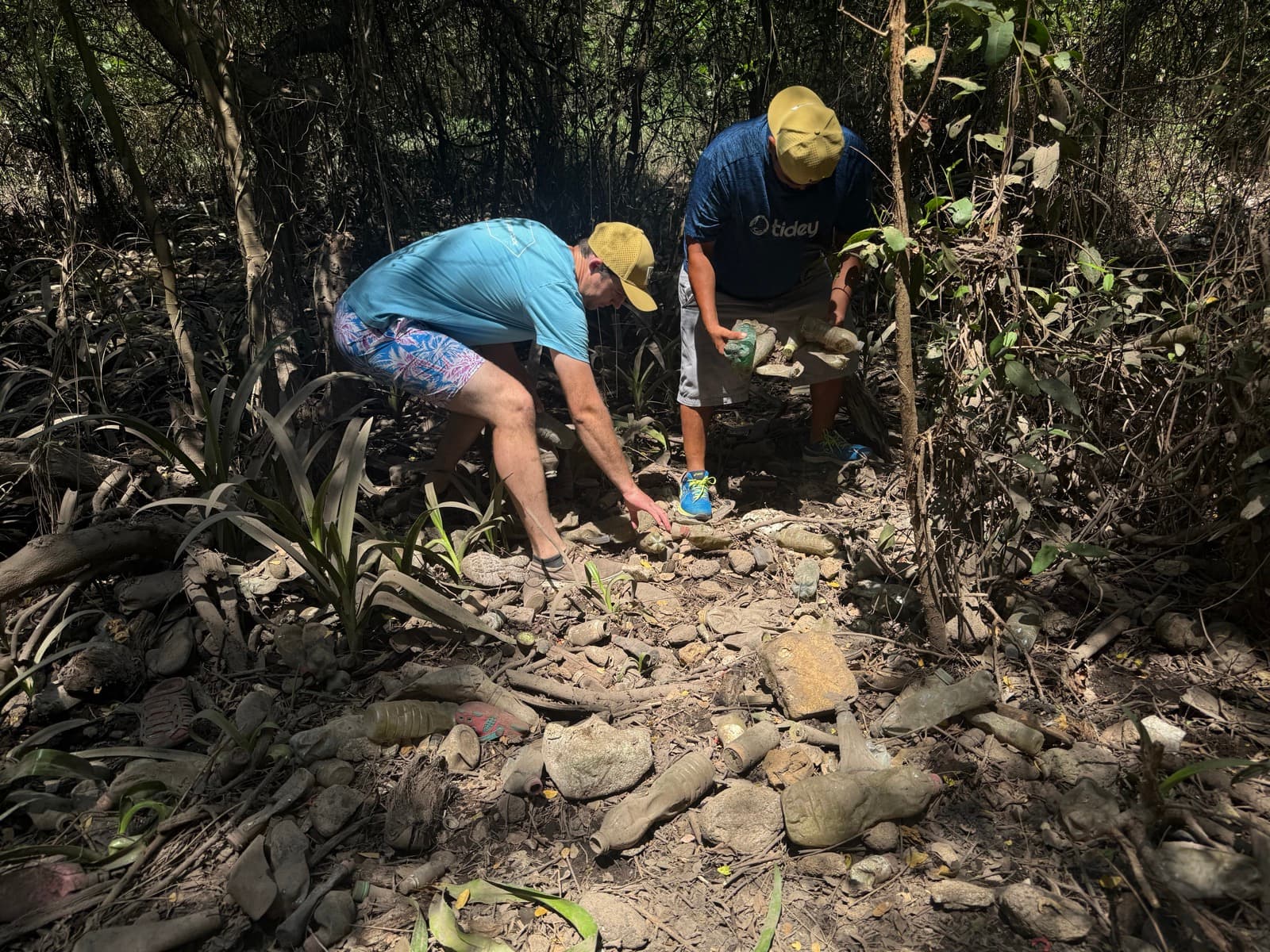
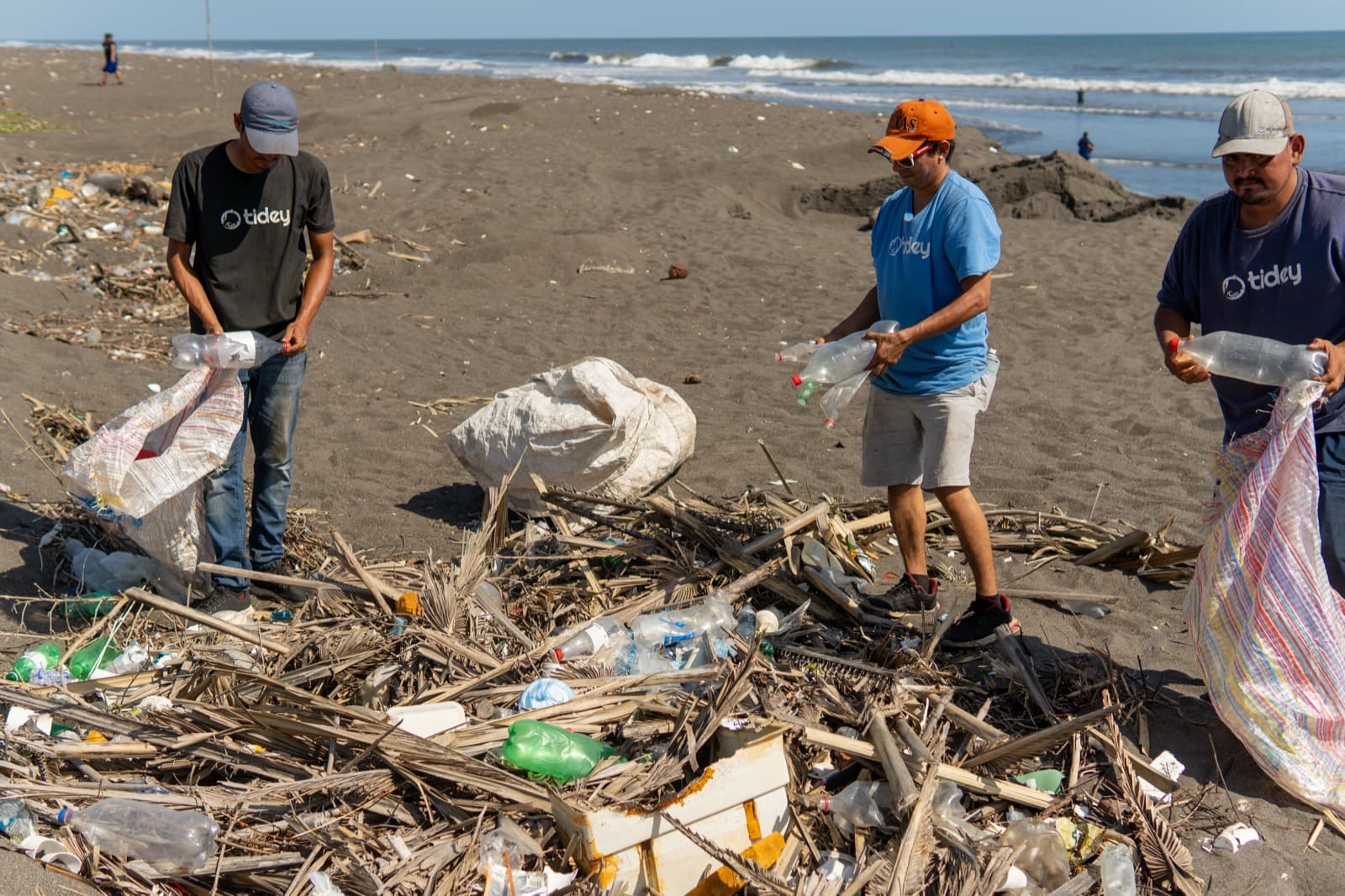
What Tidey Ocean does is address the failure at the downstream end: collecting plastic that arrived in coastal communities through global supply chains and was never going to be formally managed. But the upstream problem, rising plastic volume entering these communities through consumption growth, requires structural changes that collection alone cannot solve. Manufacturers paying the full cost of their packaging disposal would change the incentives that currently make single-use packaging the cheap default. Extended producer responsibility programs in Europe, Canada, Japan, and South Korea have demonstrated that the incentive structure can be changed without eliminating affordable consumer goods.
Why does plastic waste grow faster than income in developing economies?
As household incomes rise in developing economies, the first goods purchased are often packaged consumer products: bottled water instead of untreated tap water, packaged food instead of unprocessed bulk purchases, consumer goods sold in plastic packaging. The shift to packaged goods typically happens before households gain access to formal recycling or waste collection services, creating a window of high plastic generation and low collection that can persist for years or decades in fast-growing areas. The infrastructure investment needed to catch up follows economic development with a lag that is measured in decades in many markets.
What is the connection between e-commerce growth and ocean plastic specifically?
E-commerce reaches areas that conventional retail does not, including coastal communities in developing countries. The packaging that accompanies individual shipments, including film plastic, foam padding, and single-use outer packaging, enters waste streams in communities that frequently lack the infrastructure to manage it formally. Much of this packaging is multi-material or low-density film that is difficult to recycle even when collection infrastructure exists, making it a high-leakage category in communities without formal waste management.
How does this connect to what Tidey does in Guatemala?
The Maria Linda river on Guatemala's Pacific coast carries plastic from communities that have gained access to packaged consumer goods faster than they have gained access to formal waste collection. The per-capita plastic footprint of these communities is not comparable to the United States or Europe, but they exist within a global supply chain that generates packaging at a rate their infrastructure cannot absorb. Tidey's river-mouth collection is the last practical interception point before that gap between consumption and infrastructure expresses itself as ocean pollution.
Sources
- OECD. Global Plastics Outlook: Policy Scenarios to 2060 (2022). https://www.oecd.org/en/publications/global-plastics-outlook_aa1edf33-en/full-report.html
- UNEP. Plastic Pollution and Marine Litter. https://www.unep.org/topics/ocean-seas-and-coasts/ecosystem-degradation-pollution/plastic-pollution-and-marine-litter
Monthly, from the field in Guatemala.
Collection numbers, new research on plastic and health, and what we are learning in the field. No more than once a month.