May 25, 2025 · by Tidey Ocean Foundation · updated June 11, 2026
Microplastics Are Inside Us. Here Is What We Know.
Microplastics have been confirmed in human blood, brain tissue, and plaques. Here is what research actually shows, and what remains under study.
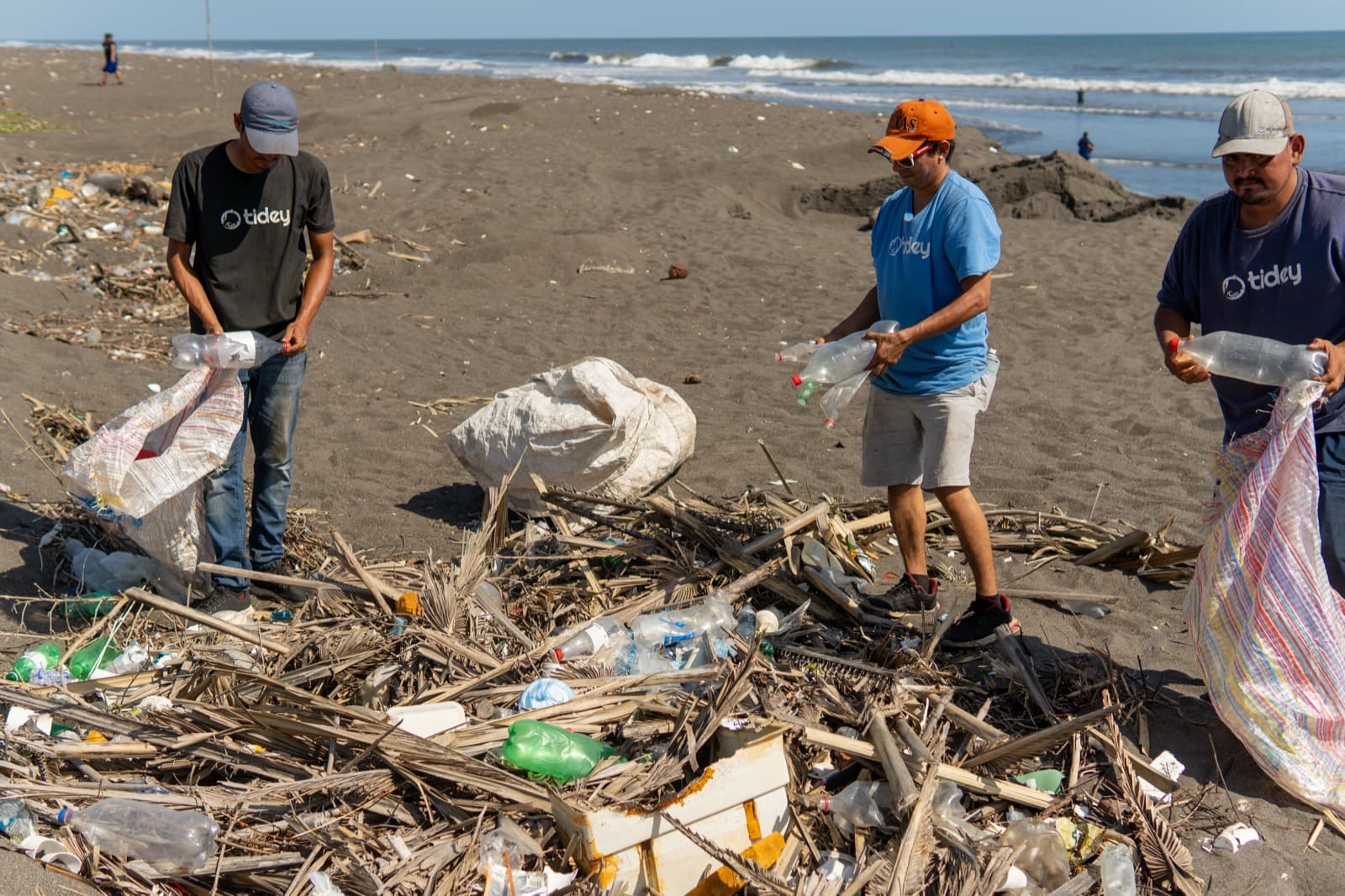
Microplastics are plastic particles smaller than five millimeters. They enter the environment two ways: as primary microplastics, meaning particles manufactured at that size for products like cosmetic scrubs and synthetic textiles, and as secondary microplastics, meaning fragments that break off larger plastic items as they weather under UV light and mechanical stress. Global plastic production is now on the order of 400 million tonnes a year, and around 19 to 23 million tonnes of plastic waste leak into aquatic ecosystems each year. The particles that result from that breakdown do not stay in the water. They move through the food chain, into the air, and increasingly, into us.
The most direct evidence we have is presence. Researchers at Vrije Universiteit Amsterdam published findings in Environment International in 2022 showing that microplastics were detectable in the blood of nearly 80 percent of 22 healthy adult volunteers. This was the first validated method for detecting plastic particles in human blood. The particles identified included polyethylene terephthalate, the plastic used in drink bottles, and polystyrene, used in food packaging. That study confirmed transport in the bloodstream, which means the particles can potentially reach any organ.
In February 2025, a team led by toxicologist Matthew Campen at the University of New Mexico published results in Nature Medicine analyzing brain, liver, and kidney tissue from human donors who died in 2016 and 2024. The frontal cortex samples from 2024 contained a median of roughly 4,800 micrograms of plastic per gram of tissue, nearly 0.5 percent of brain tissue by weight. That concentration was about 50 percent higher than what the same team found in 2016 samples. Polyethylene was the dominant polymer identified. The brain samples contained substantially higher plastic concentrations than liver or kidney tissue from the same donors.
The same study found that brain tissue from individuals diagnosed with dementia contained up to ten times more plastic than tissue from individuals without dementia. Researchers are explicit that the study cannot establish whether the plastics contributed to the dementia, or whether the disease process itself leads to greater accumulation. The study design does not allow that distinction to be drawn. What the data confirm is a strong association between higher plastic burden and dementia diagnosis. This is an important finding that warrants further longitudinal research. It is not evidence of causation.
Microplastics have also been found in cardiovascular tissue. A March 2024 study published in the New England Journal of Medicine analyzed atherosclerotic plaque from patients undergoing surgery to clear carotid artery blockages. Of the 304 patients enrolled, 257 completed follow-up. Polyethylene was detected in the plaque of 150 of them, or 58.4 percent, and polyvinyl chloride in 31, or 12.1 percent. Patients whose plaque contained microplastics had a 4.5 times higher rate of a composite outcome including death, heart attack, or stroke over a mean follow-up of 34 months compared to patients whose plaque showed no detectable plastics. The study also found elevated markers of inflammation in plaque from microplastic-positive patients. This is an association study. The researchers did not demonstrate that the plastics caused the cardiovascular events, and confounding variables exist. The finding is significant enough to have prompted substantial follow-on research, but it is not a settled result.
Microplastics have also been detected in human placental tissue. Research published in Environmental Pollution documented plastic particles inside placental cells, meaning fetal exposure during gestation is possible. More recent reviews have identified plastics in amniotic fluid, cord blood, and breast milk. The health implications for fetal development are not yet established. Researchers have described this as a priority question that current data cannot answer.
The primary mechanism researchers study in connection with microplastics is oxidative stress, a condition where chemically reactive molecules damage cells. In laboratory settings using animal models, microplastics have been shown to induce oxidative stress, disrupt mitochondrial function, and trigger inflammatory responses. These mechanisms are plausible pathways from plastic exposure to tissue damage, but animal study results do not automatically translate to human outcomes at the concentrations people actually encounter. The additives carried by plastic particles, including bisphenol A (BPA) and phthalates, which are chemicals used to soften plastics, have their own independent research base. Some phthalates have been associated with hormonal disruption in human studies, though regulatory thresholds and exposure levels remain debated.
What is the actual risk of breathing microplastics indoors?
Indoor air sampling has found microplastic fibers in virtually every home tested, shed primarily from synthetic textiles, furniture, and carpet. Outdoor air near industrial sites and heavily trafficked roads shows higher concentrations. The lung has some capacity to clear particles, but smaller particles (nanoplastics, under one micrometer) appear to cross into tissue more readily. Researchers have found plastic particles in human lung tissue, but a dose-response relationship establishing how much airborne exposure produces how much tissue accumulation has not been defined in humans.
Does filtering drinking water reduce exposure?
Studies analyzing tap water and bottled water have both found microplastics. A study published in Frontiers in Chemistry found an average of 325 microplastic particles per liter in bottled water, higher than most tap water samples tested in the same research. Point-of-use filters rated to remove particles smaller than one micrometer do reduce microplastic content in filtered water, but they do not eliminate it entirely and do not address exposure through food, air, or skin contact. Reducing plastic contact in food storage, meaning switching from plastic containers to glass or stainless steel for hot or acidic foods, is a practical step that reduces one pathway, but does not represent a complete solution.
Are concentrations still rising?
The Nature Medicine 2025 brain tissue data suggest yes, at least in that sample set, with a 50 percent increase over eight years. UNEP projects that without significant policy and infrastructure changes, plastic waste entering aquatic ecosystems could nearly triple by 2040. The baseline for human tissue accumulation is still being established, which means researchers do not yet have a clear picture of what a lifetime of exposure at current levels produces. What the data from the past three years have established is that microplastics are present throughout the human body, that concentrations appear to be growing, and that some associations with disease outcomes have been identified. The next phase of research must clarify whether those associations hold across larger populations and whether any causal pathways can be confirmed.
Sources
- UNEP. Plastic Pollution and Marine Litter. https://www.unep.org/topics/ocean-seas-and-coasts/ecosystem-degradation-pollution/plastic-pollution-and-marine-litter
- Nihart, A.J. et al. Bioaccumulation of microplastics in decedent human brains. Nature Medicine 31, 1114–1119 (2025). https://doi.org/10.1038/s41591-024-03453-1
- Marfella, R. et al. Microplastics and Nanoplastics in Atheromas and Cardiovascular Events. New England Journal of Medicine 390, 900–910 (2024). https://doi.org/10.1056/NEJMoa2309822
Monthly, from the field in Guatemala.
Collection numbers, new research on plastic and health, and what we are learning in the field. No more than once a month.